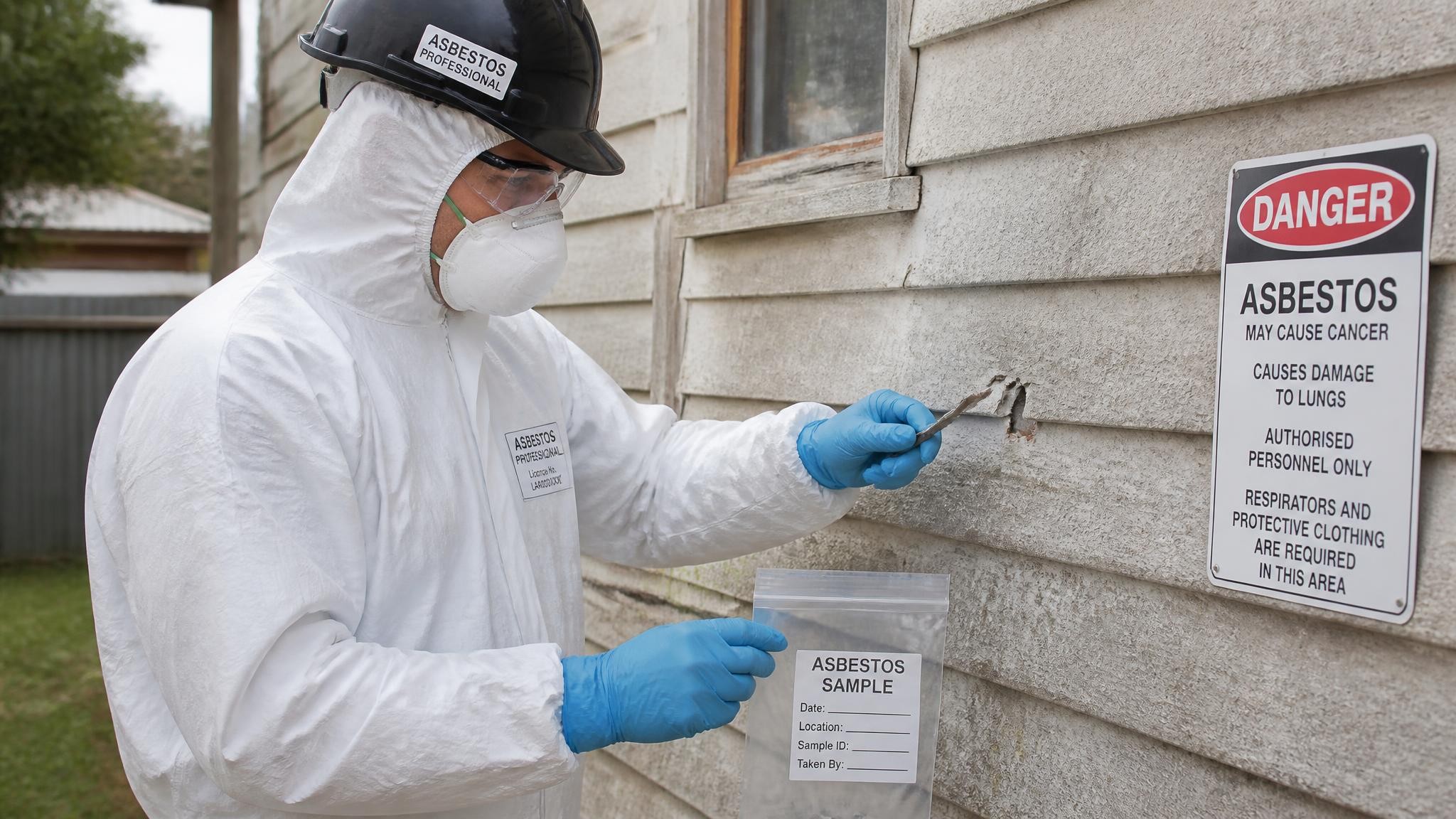
asbestos material testing
Find out whether building materials contain asbestos before renovation, demolition, maintenance or removal work begins.
Safe sampling, clear reporting and practical removal preparation
Asbestos testing across Australia
Get reliable answers before disturbing a suspect material
Asbestos can be present in many building products used in Australian homes, commercial buildings and outdoor structures. It may be found in older wall and ceiling linings, eaves, roofing, fences, bathrooms, kitchens, flooring, sheds and other areas.
A material cannot be confirmed as asbestos-containing simply by looking at it. The safest way to identify a suspect material is to arrange controlled sampling and laboratory analysis before cutting, drilling, sanding, breaking or removing it.
C&A Asbestos Removal provides a calm, practical testing pathway for homeowners, renovators, property managers, strata committees and businesses. We assess the situation, collect samples safely where appropriate, coordinate accredited laboratory testing and explain what the results mean for your next step.
When should you arrange asbestos material testing?
Testing is particularly important when an older building material will be disturbed, renovated, repaired or demolished.
Before renovating a home
Test suspect materials before opening walls, replacing bathrooms, removing kitchens, changing flooring or working on ceilings and eaves.
Before demolition or repair
Testing can help identify asbestos-containing materials before demolition, roof repairs, maintenance work or construction activities begin.
For commercial properties
Property managers and businesses can arrange testing to support maintenance planning, contractor safety and compliant project preparation.
Before getting a removal quote
If the material has not been confirmed, testing can help define the scope of work and identify which areas need licensed asbestos removal.
After accidental damage
If a suspect sheet, lining or panel has been cracked or damaged, stop work, keep people away and call for professional advice before cleaning or handling it.
For property records
Testing reports can provide useful documentation for owners, buyers, strata records, renovation planning and future maintenance decisions.
Bulk sampling and air monitoring: what is the difference?
These are different types of asbestos testing used for different purposes. Understanding the difference helps you arrange the right assessment for your property or project.
Bulk material sampling
Identifies whether a specific material contains asbestos
Bulk sampling involves taking a small representative piece of a suspect building material and sending it to a suitable laboratory for analysis. The laboratory examines the sample to determine whether asbestos is present and, where applicable, the type of asbestos identified.
- Used for materials such as cement sheeting, eaves, flooring, wall linings and roofing.
- Helps confirm whether planned work may disturb asbestos-containing material.
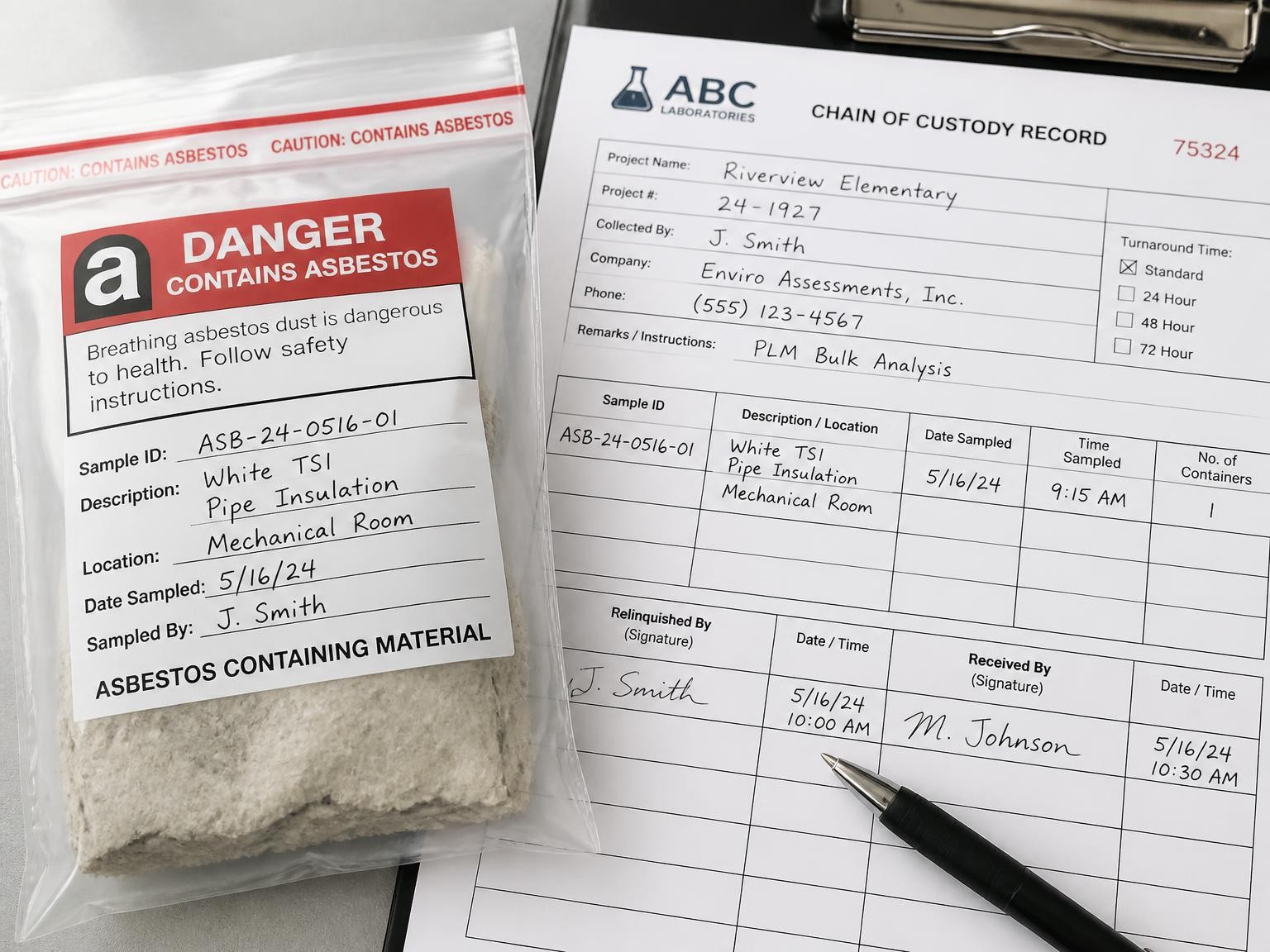
- Samples are sealed, labelled and managed carefully for laboratory submission.
- Results support a clear scope for asbestos removal or project controls.
Air monitoring
Checks for airborne asbestos fibres in the environment
Air monitoring measures airborne particles during or after work that may disturb asbestos. It does not usually tell you whether a wall, roof sheet or other solid material contains asbestos. Instead, it helps assess airborne fibre levels and whether control measures are working as intended.
- May be required for higher-risk removal, workplaces or particular project conditions.
- Can be coordinated with an independent occupational hygienist when required.
- May be used during removal, after an incident or as part of post-removal verification.
- It complements material testing rather than replacing bulk sample analysis.
In simple terms
Bulk sampling asks, “Does this material contain asbestos?” Air monitoring asks, “Are asbestos fibres present in the air during or after the work?” Depending on the project, both may be appropriate.
Clear evidence for your next decision
Testing coordinated with accredited laboratory analysis
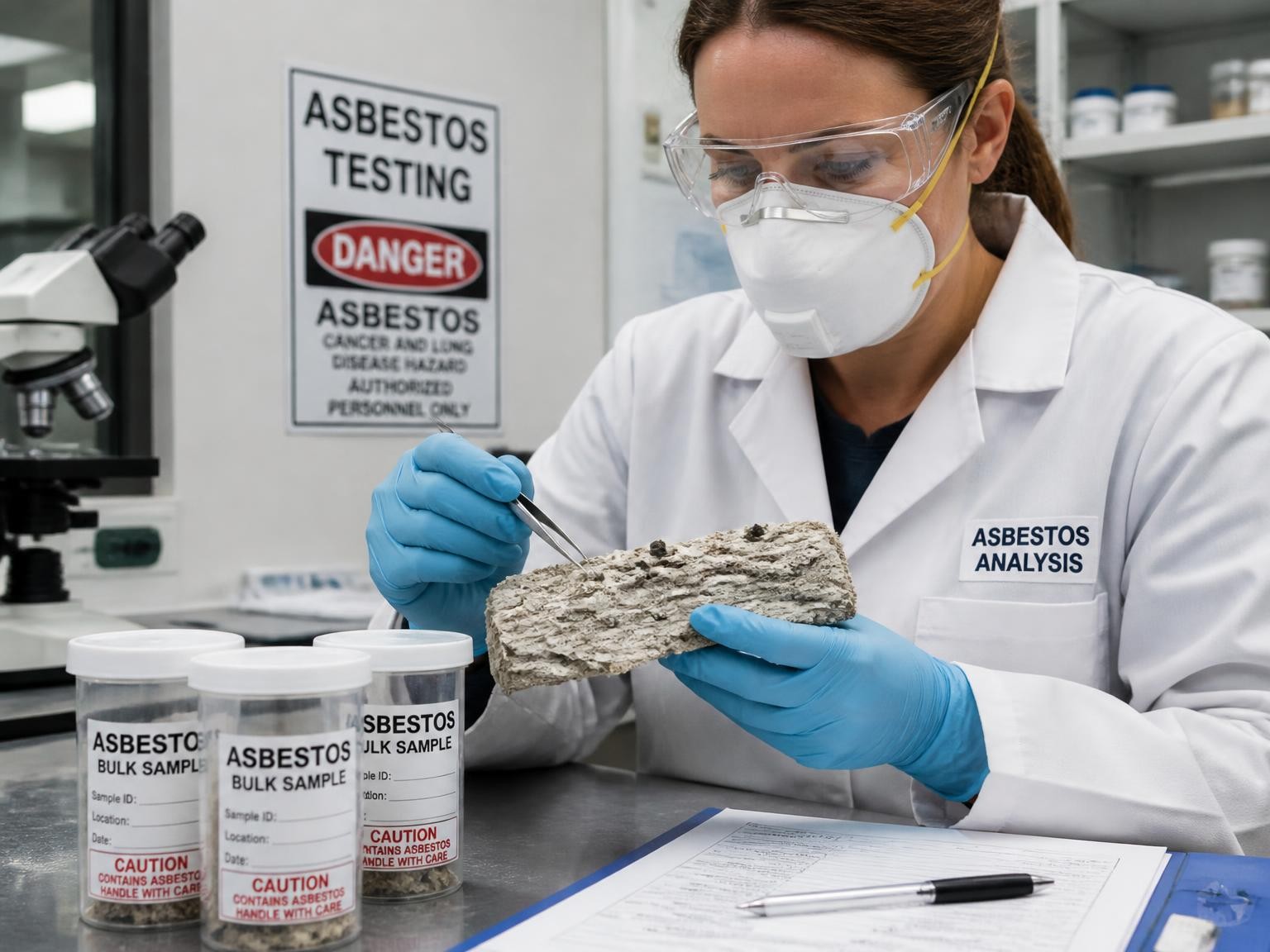
C&A treats asbestos testing as the first stage of a safe, well-planned project. Where laboratory analysis is required, samples are handled and submitted for analysis through an appropriately accredited laboratory. The resulting report helps establish whether the tested material is asbestos-containing.
We can discuss the location, condition and intended work before sampling so the testing plan is relevant to the job. If several materials or areas are involved, each may need separate consideration because materials that look similar are not automatically identical.
Documented results
Receive test information that can be retained with your property or project records.
Results explained clearly
We explain the practical next step rather than leaving you to interpret technical information alone.
Removal preparation
If asbestos is identified, we can help define the removal scope and plan the safest way forward.
How C&A handles asbestos material testing
Our process is designed to minimise disturbance, keep communication straightforward and give you useful information for the work ahead.
Discuss the property and planned work
Call or email with details about the property, the suspected material and what you want to do. Helpful information can include the building age, renovation plans, photographs, access conditions and whether the material is damaged.
Assess the sampling requirements
We consider which materials may need testing, how samples can be accessed safely and whether the project may also require an asbestos inspection, removal plan, air monitoring or other specialist input.
Collect and secure representative samples
Where appropriate, samples are collected using controlled methods intended to limit disturbance. Materials are sealed, labelled and managed carefully for transport and laboratory submission.
Coordinate accredited analysis
Samples are submitted for appropriate laboratory analysis. The laboratory report provides the basis for determining whether the tested material contains asbestos.
Plan the next stage
If asbestos is confirmed, C&A can help prepare for safe removal, including a clear scope, containment requirements, wet methods, PPE, waste handling, licensed transport and disposal documentation.
What happens if asbestos is found?
A positive asbestos test does not mean you should panic or start removing the material immediately. In many situations, the safest action is to leave the material undisturbed until the work can be properly planned.
C&A Asbestos Removal can assist with the preparation and removal stage. As a licensed asbestos removal company, we use appropriate PPE, wet methods and containment zones as standard practice. Waste is double-bagged or wrapped, transported in accordance with applicable requirements and taken to licensed disposal facilities.
Control the work area
Keep people away and prevent unnecessary access or disturbance.
Use wet methods
Suppress dust and fibres during controlled removal activities.
Track the waste
Transport asbestos waste to an appropriate licensed disposal facility.
Leave the site tidy
Complete site cleaning and provide disposal documentation after removal.
Testing can make removal planning easier
A clear testing result helps establish:
- Which material or area requires asbestos controls
- Whether removal should be included in a renovation or demolition scope
- What contractors and occupants need to know before work starts
- Whether additional assessment or air monitoring may be appropriate
Asbestos testing support for homes and businesses
C&A works with clients who need a practical answer before making a property, maintenance or construction decision.
Residential properties
Testing for homes, units and older domestic properties before renovations, repairs, sales or demolition.
Commercial buildings
Support for offices, shops, warehouses and small-to-medium commercial projects requiring documented planning.
Strata properties
Help identify suspect common-area materials and prepare information for strata maintenance or repair projects.
Outdoor structures
Testing support for suspect asbestos fences, garages, sheds, carports, roofing and corrugated sheeting.
Do not disturb a suspect asbestos material
Until the material has been assessed, treat it as though it may contain asbestos and avoid creating dust.
Avoid activities that may release fibres
- Do not cut, drill, sand, grind or pressure wash the material.
- Do not sweep or use a household vacuum on suspect dust or fragments.
- Do not break sheets or move damaged materials unnecessarily.
Take sensible temporary precautions
- Keep children, pets, visitors and unprotected workers away from the area.
- Tell tradespeople that the material has not yet been confirmed safe.
- Call C&A for advice about arranging a controlled asbestos material test.
Asbestos requirements can vary between Australian states and territories. Testing, assessment, removal and air monitoring should be arranged with appropriately qualified professionals for the circumstances of your project.
Why choose C&A for asbestos testing?
C&A Asbestos Removal Pty Ltd provides end-to-end asbestos management for residential and commercial clients Australia-wide. You speak directly with the team rather than being passed through a call centre.
Fast, direct communication
Speak directly with a dedicated team member about your property and testing needs.
Clear scopes of work
We explain what is being tested and how the result relates to your planned work.
Safety-first approach
Appropriate PPE, controlled methods and containment planning are central to our work.
End-to-end support
If asbestos is confirmed, we can assist with removal, clean-up, disposal and documentation.
What your testing enquiry should include
The more information you can provide, the easier it is to understand the right testing pathway. You can call or email C&A with:
- The property location and whether it is residential, commercial or strata
- The approximate age of the building or when it was constructed
- What material is suspected and where it is located
- Whether the material is damaged or has already been disturbed
- What renovation, repair, demolition or maintenance work is planned
Frequently Asked Questions About Asbestos Testing
Can asbestos be identified by looking at it?
No. Some asbestos-containing products may look similar to non-asbestos materials. Visual inspection can identify materials that are suspicious, but laboratory analysis of a suitable sample is generally needed to confirm whether asbestos is present.
What is bulk asbestos sampling?
Bulk sampling involves collecting a representative piece of a solid building material and submitting it for laboratory analysis. It is used to determine whether a particular material, such as fibrous cement sheeting, flooring, insulation or a wall lining, contains asbestos.
What is the difference between material testing and air monitoring?
Material testing determines whether a solid material contains asbestos. Air monitoring checks the air for airborne fibres during or after work that may disturb asbestos. Air monitoring does not usually identify the asbestos content of a wall, roof or sheet, so it does not replace bulk sampling.
Do you use an accredited laboratory for asbestos testing?
Where laboratory analysis is required, C&A coordinates the submission of samples through an appropriately accredited laboratory. The laboratory report is used to confirm whether the tested material contains asbestos and to help determine the next stage of the project.
Can C&A test asbestos before a renovation?
Yes. Pre-renovation asbestos material testing can help identify suspect products before bathrooms, kitchens, flooring, ceilings, walls, eaves or other areas are disturbed. Contact C&A before work begins so the testing and removal requirements can be considered together.
What should I do if a suspect material has already been damaged?
Stop work, keep people away from the area and avoid sweeping, vacuuming, cutting or handling fragments. Call C&A for advice. Depending on the circumstances, the next step may involve an inspection, controlled sampling, specialist cleaning, air monitoring or licensed asbestos removal.
How much does asbestos material testing cost?
The cost depends on the number of samples, access, property location, laboratory requirements and whether additional assessment is needed. Call C&A for a free, no-obligation discussion and quote for your testing requirements.
Do I need asbestos testing if the building is older?
Older buildings may contain asbestos in a range of products, but building age alone cannot confirm whether a particular material contains asbestos. If planned work could disturb an older product, professional assessment and testing should be considered before the work starts.
Book asbestos material testing before work begins
Get a clear testing pathway for your home, business, strata property or renovation project. C&A provides free quotes and direct communication across Australia.
Email: cheataanny@gmail.com
Category: Asbestos Testing