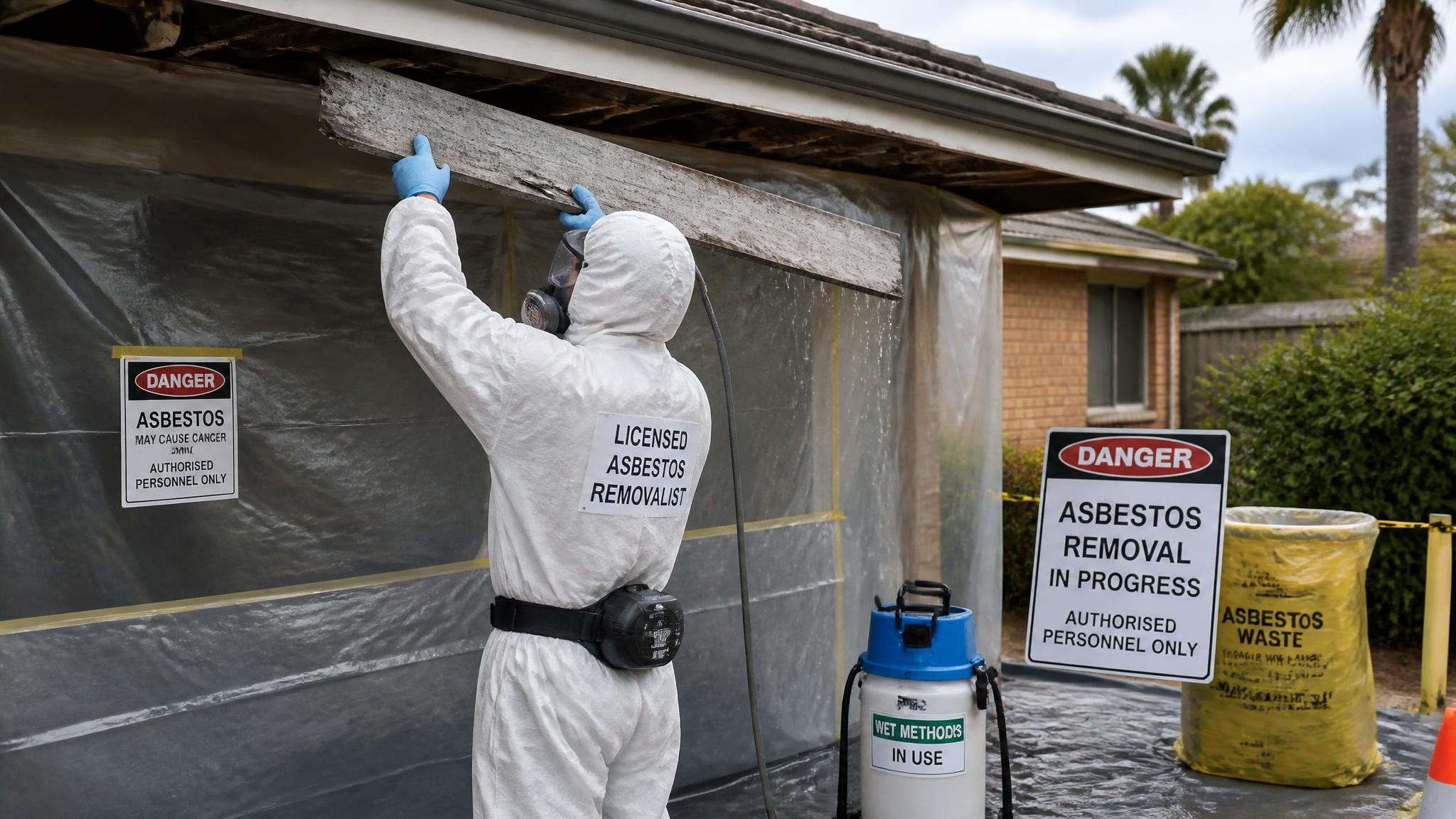
asbestos in eaves
Safe, controlled removal of asbestos-containing eaves and soffits using wet methods, containment zones and compliant disposal.
Free, no-obligation quotes and clear removal documentation
Eaves and soffit asbestos removal
Asbestos in eaves can be difficult to identify from the ground
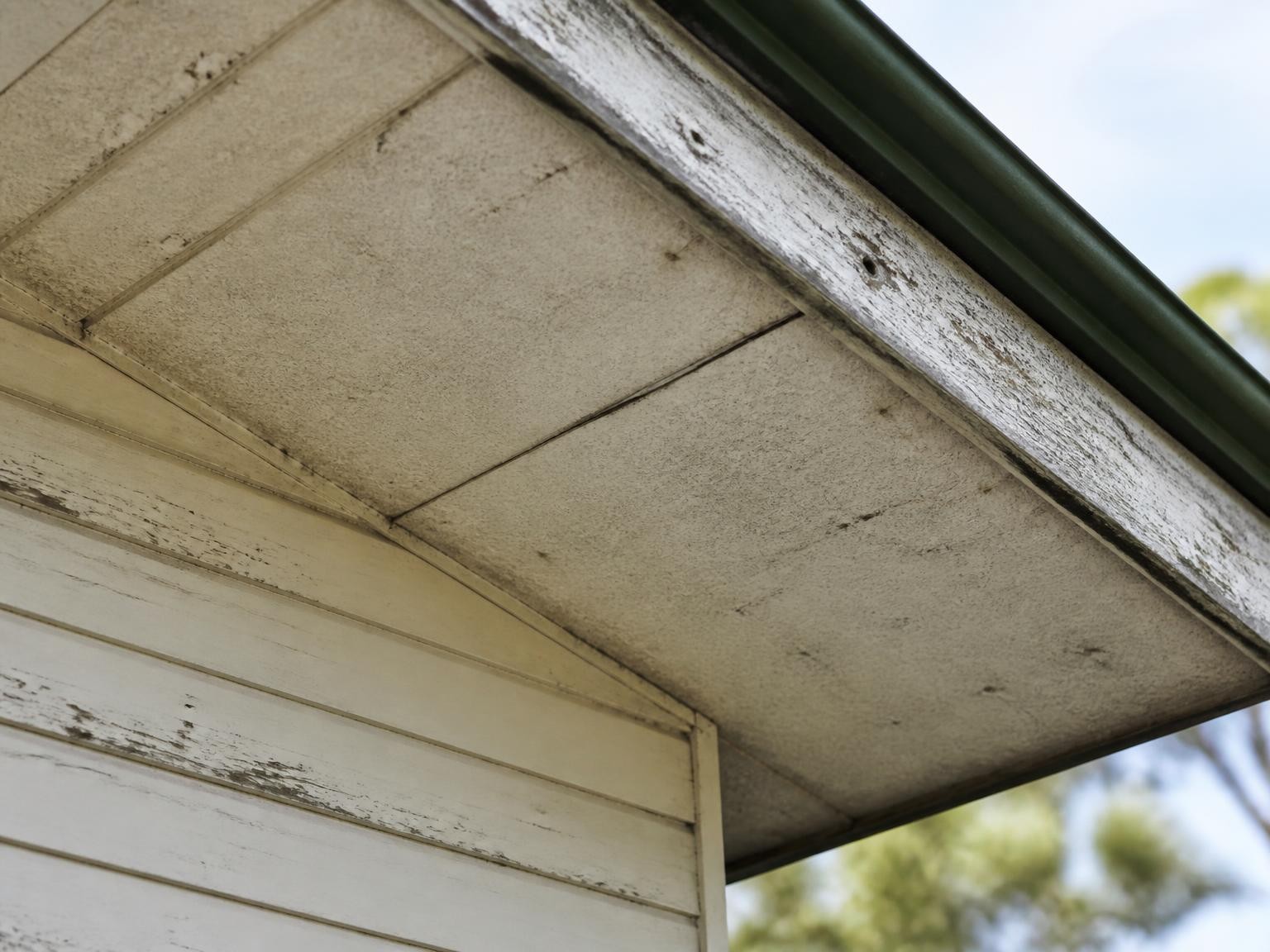
Eaves and soffits are located around the edge of a roof, often in hard-to-access areas above windows, doors, verandas and external walls. In older Australian homes, these sections may have been made from asbestos-containing fibrous cement sheeting.
The material can look like ordinary cement sheet, particularly when it is painted or weathered. Age, damage, renovations and exposure to the elements can all make eaves more difficult to assess safely. Visual inspection alone cannot confirm whether a material contains asbestos.
C&A Asbestos Removal can inspect the area, explain the safest options and provide a clear scope of work before any removal begins. If asbestos is confirmed or suspected, we use controlled procedures designed to minimise fibre release and protect occupants, workers and surrounding areas.
Why professional removal matters
Eaves and soffits can create unique asbestos removal risks
Even a relatively small amount of asbestos sheeting needs to be approached carefully. The location of eaves can make access, containment and clean-up more complex than they first appear.
Hard to inspect
Eaves are often high, narrow and partly concealed behind gutters, fascia, paint or roof structures. Safe access is important when assessing their condition.
Fibre release risk
Cutting, drilling, breaking or aggressively cleaning suspected asbestos sheeting can disturb the material and release airborne fibres.
Close to living areas
Eaves are attached directly to the home and may sit above entrances, bedrooms, kitchens, patios and neighbouring properties.
Access equipment required
Ladders, scaffolding or other access equipment may be needed. Our team plans the work around the height, layout and condition of the eaves.
Our service
Asbestos eaves removal for homes, renovations and property projects
C&A Asbestos Removal provides an end-to-end service for suspected or confirmed asbestos in eaves and soffits. We work with homeowners, renovators, property investors, builders, property managers and commercial clients who need a safe and properly documented result.
Residential eaves
Removal from older houses, units, extensions, verandas, garages, carports and other domestic structures.
Commercial and strata sites
Planned removal for offices, retail properties, shared buildings and small-to-medium commercial sites with minimal disruption.
Renovation preparation
Eaves and soffits can be removed before roof upgrades, extensions, painting, demolition or other building work.
Damaged or deteriorated sheeting
We can assess damaged, cracked, broken or weathered eaves and recommend appropriate controls for the work.
Collection and disposal
Double-bagged and labelled asbestos waste is transported to an EPA-licensed facility for compliant disposal.
Clean-up and records
We leave the work area tidy and provide disposal documentation. Independent hygienist air monitoring can be coordinated when required.
Controlled removal process
How C&A removes asbestos eaves and soffits safely
Our removal process is planned around the specific material, height, access conditions and surrounding environment. We follow Safe Work Australia's Code of Practice for asbestos removal and use appropriate PPE, wet methods and containment zones as standard practice.
The objective is to prevent unnecessary breakage, control dust and fibres, protect the property and ensure asbestos waste is handled correctly from the moment it is removed until it reaches a licensed disposal facility.
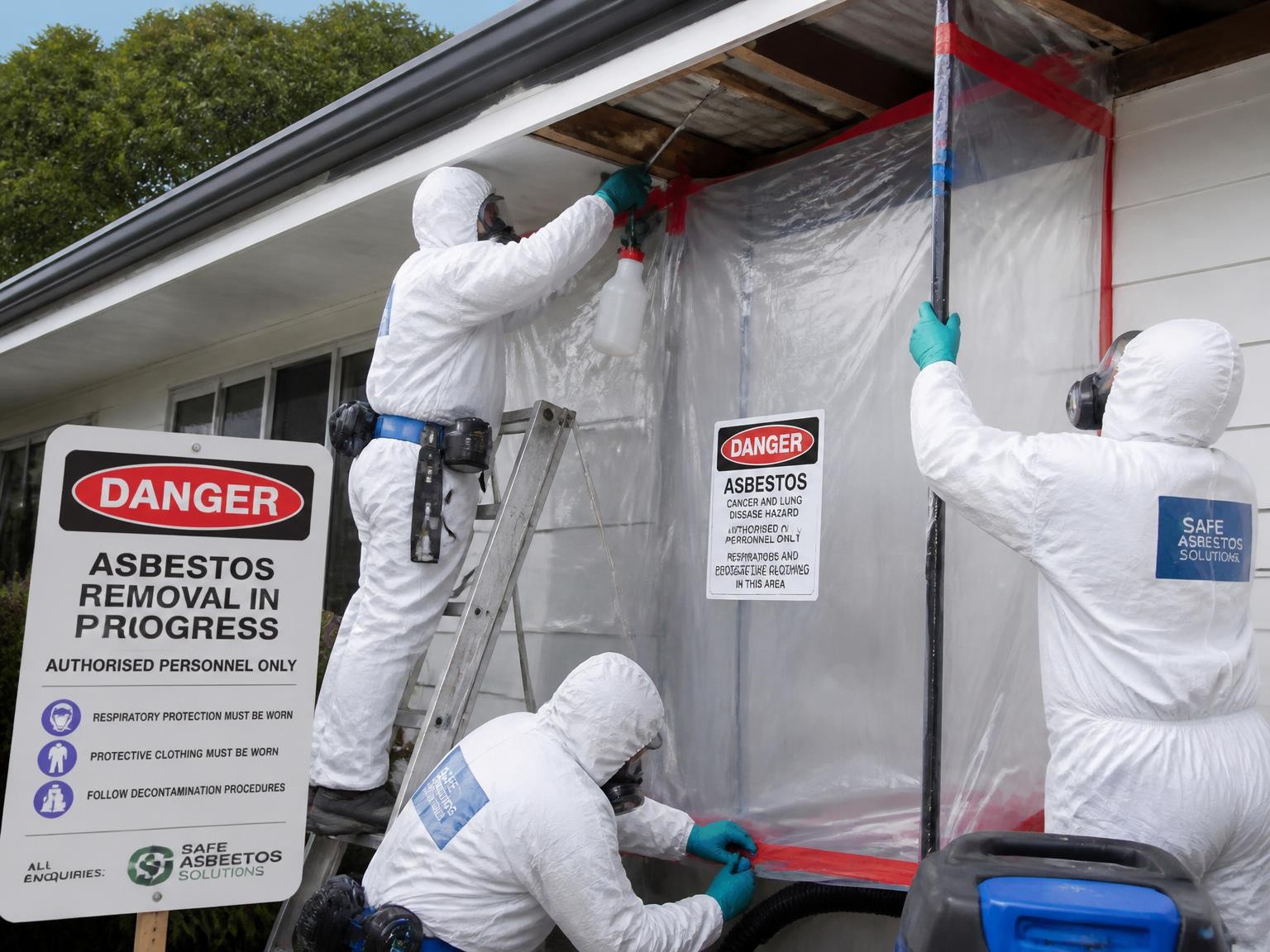
A careful process from inspection to disposal
Every eaves removal project is different. These are the key stages C&A uses to keep the work organised, controlled and transparent.
Schedule an inspection
Contact C&A directly by mobile to discuss the property, the location of the eaves and any upcoming renovation or roof work. We can arrange an inspection where required and explain what happens next.
Assess the material and work area
We consider the eaves or soffit material, its condition, height, access, nearby doors and windows, roof layout, landscaping and the potential impact on occupants and neighbours. Where testing is needed, appropriate sampling and laboratory analysis can be arranged.
Prepare the control area
Before removal begins, we establish appropriate exclusion and containment zones, prepare access equipment and use suitable PPE and controls for the planned work. The area is managed to reduce the chance of unauthorised entry or accidental disturbance.
Use wet-method dismantling
Eaves and soffit sheets are kept damp during controlled removal to help suppress dust. The team avoids unnecessary cutting, drilling and breakage, and lowers materials carefully rather than allowing them to fall.
Package and transport asbestos waste
Removed materials are appropriately packaged, double-bagged or wrapped and labelled before being transported in accordance with applicable requirements to a licensed disposal facility.
Clean, inspect and document
The work area is cleaned using suitable procedures and checked before the site is returned. C&A provides disposal documentation, with independent hygienist air monitoring coordinated when the project or applicable requirements call for it.
What to do if you suspect asbestos in your eaves
The safest first step is to avoid disturbing the material. Do not drill, sand, cut, scrape, pressure wash or break suspected asbestos eaves. Keep children, pets and other people away from damaged sections until the area has been assessed.
If you are planning an extension, roof replacement, painting project or demolition, arrange an asbestos inspection before work starts. Early identification helps prevent delays, unexpected contamination and additional clean-up costs.
Before we arrive
Avoid touching, cleaning or attempting to repair the suspected eaves.
Keep occupants, children and pets away from damaged or exposed areas.
If safe to do so, note the location and condition of the material without getting close to it.
Schedule an inspection before arranging other trades to work around the eaves.
Why choose C&A
A calm, professional approach to asbestos removal
C&A Asbestos Removal Pty Ltd supports residential and commercial clients across Australia with practical advice, careful work and direct communication throughout the project.
Licensed and safety-focused
Our team follows Safe Work Australia's Code of Practice for asbestos removal and applies appropriate PPE, wet methods and containment zones.
Direct communication
You speak directly with the team via mobile rather than navigating an impersonal call centre.
Tidy site practices
We respect your property, control the work area and aim to leave the site clean, safe and ready for the next stage of your project.
Clear documentation
Waste is tracked and transported to licensed disposal facilities, with disposal documentation provided after the job.
Frequently asked questions about asbestos in eaves
Helpful information for homeowners, renovators and property managers.
How can I tell if my eaves contain asbestos?
You generally cannot confirm asbestos by appearance alone. Older eaves may be made from asbestos-containing fibrous cement, but similar-looking products can contain other materials. Avoid disturbing the sheeting and arrange a professional inspection. Where required, sampling and laboratory analysis can help identify the material.
Is asbestos in eaves dangerous if it is in good condition?
Asbestos-containing material that is intact and left undisturbed may present less immediate risk than damaged or actively disturbed material. However, eaves can deteriorate over time and may be affected by roof work, painting, renovations, storms or accidental impact. A qualified assessment can help determine the safest management option.
What wet method does C&A use for eaves removal?
Wet methods involve keeping asbestos-containing sheeting damp during controlled handling and removal to help suppress dust and reduce the potential for airborne fibre release. The exact controls depend on the material, condition, height and site layout. We also use appropriate PPE and containment zones as part of the planned removal process.
Can I paint, pressure wash or repair suspected asbestos eaves?
Do not pressure wash, sand, drill, cut or otherwise disturb suspected asbestos eaves before they have been assessed. These activities can damage the material and spread contamination. Contact C&A first so the condition and safest next step can be considered.
Do you remove asbestos eaves before a roof replacement?
Yes, we can help assess and remove asbestos-containing eaves or soffits as part of renovation, roof replacement, extension and demolition planning. Contact us early so the removal can be coordinated with your builder, roofer or other contractors.
How much does asbestos eaves removal cost?
The cost depends on the amount and condition of the sheeting, height, access, containment requirements, location, disposal and whether additional cleaning or monitoring is needed. C&A provides free, no-obligation quotes after understanding the project and inspecting the site where necessary.
Do you provide asbestos disposal documentation?
Yes. Asbestos waste is packaged and transported to an EPA-licensed disposal facility, and disposal documentation is provided after the job for your records.
Concerned about asbestos in your eaves?
Schedule an inspection with C&A Asbestos Removal. We will assess the eaves or soffits, explain your options and provide a clear, no-obligation quote.