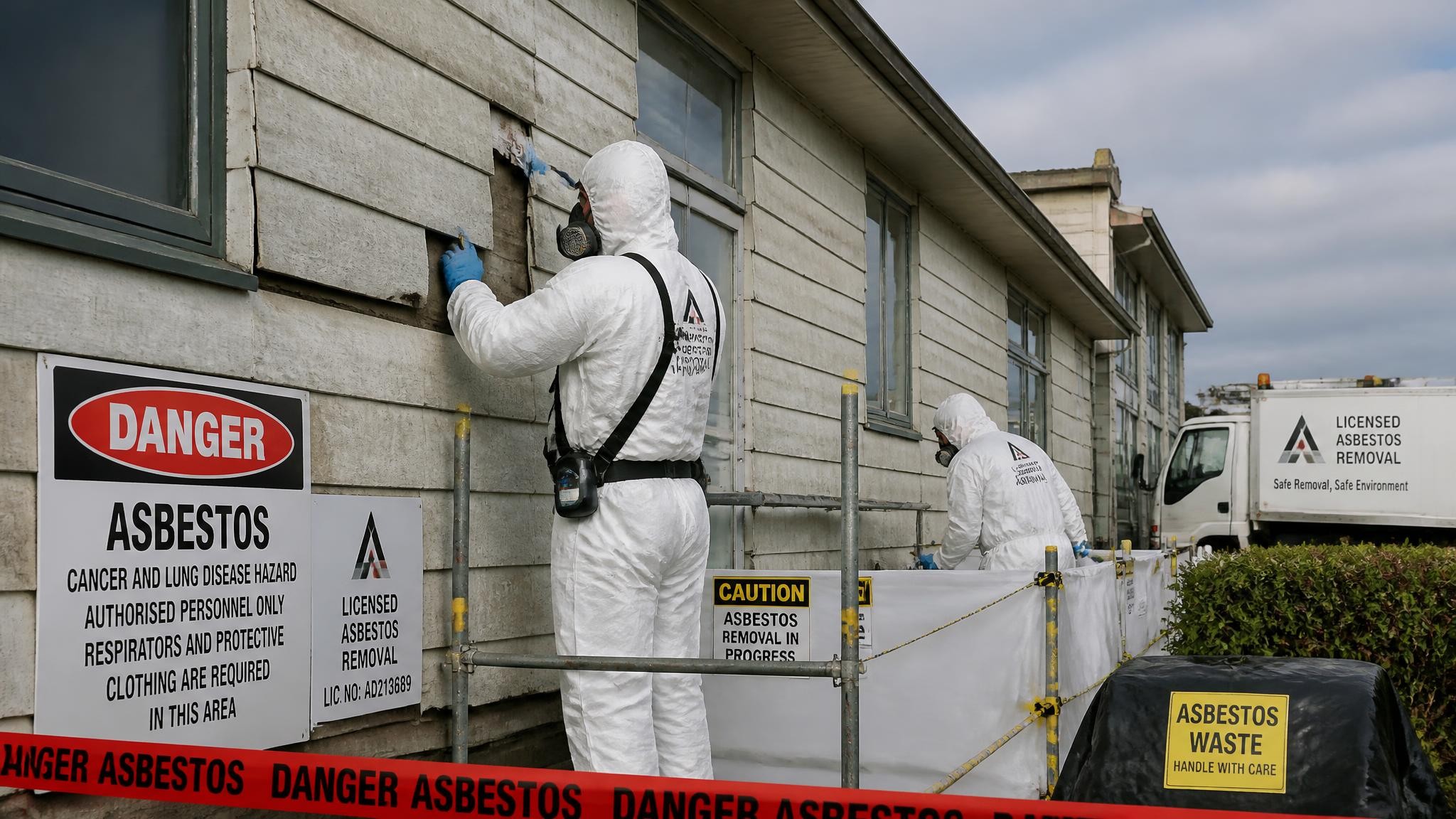
Licensed asbestos removal across Australia
asbestos cladding removal cost
Understand the costs involved in removing asbestos cladding safely, compliantly, and with the right controls in place.
Safe Work Australia-aligned removal practices and licensed disposal
Clear pricing starts with a proper assessment
How much does asbestos cladding removal cost?
The cost of asbestos cladding removal depends on the specific building, the amount and type of cladding, the height of the work area, site access, the condition of the material, and the controls required to remove it safely. A reliable price cannot be calculated from a photo or a simple square-metre rate alone.
C&A Asbestos Removal provides free, no-obligation quotes for residential, commercial, strata, and renovation projects across Australia. We assess the scope properly, explain what is included, and provide a clear price before work begins.
Important: Never cut, drill, sand, pressure-wash, or break suspected asbestos cladding. The material should be assessed and handled by appropriately qualified professionals.
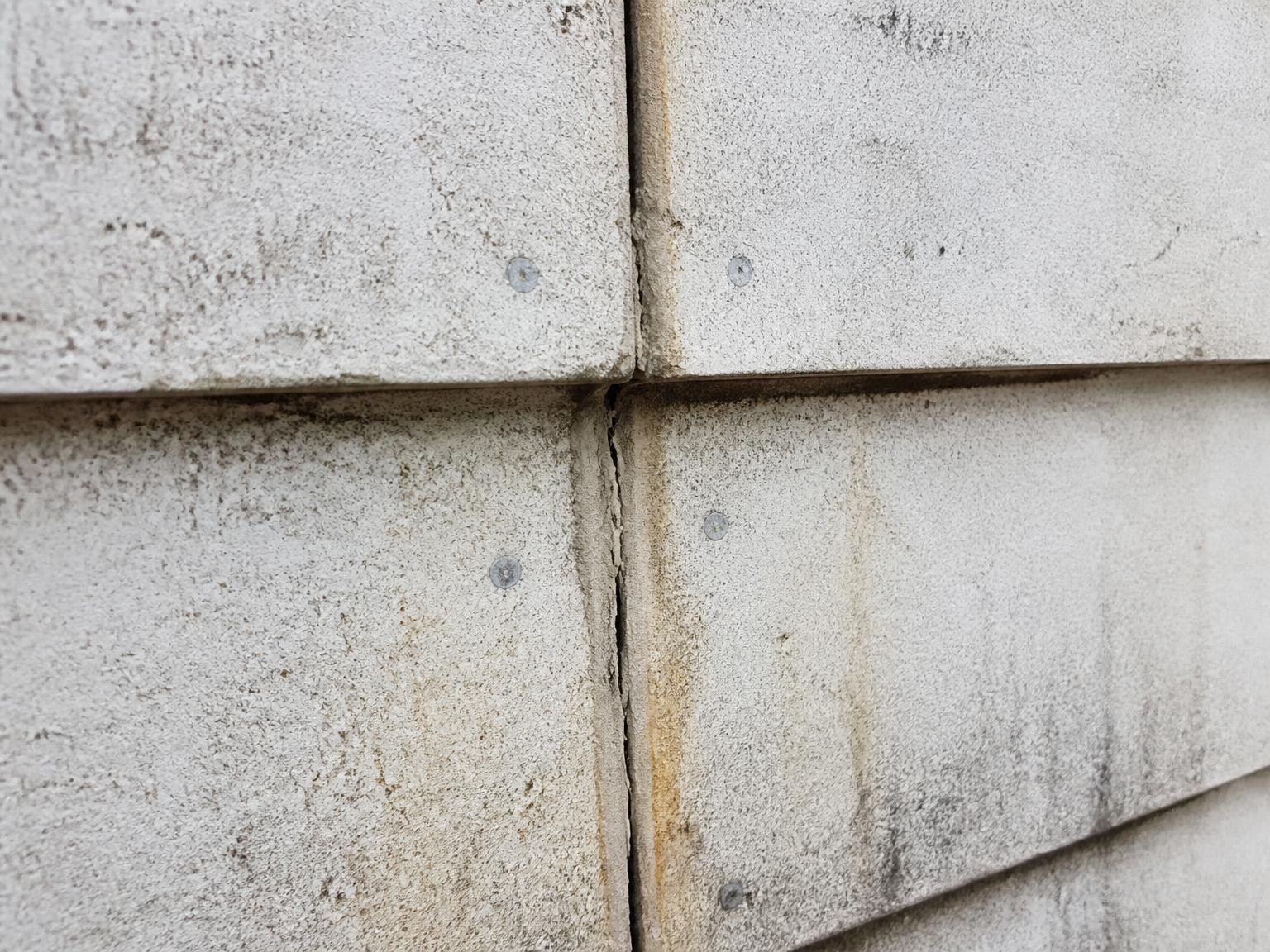
The main cost factors
What affects asbestos cladding removal cost?
Every project is different. These are the key details a licensed removalist considers when preparing an asbestos cladding removal quote.
Size and quantity of cladding
The total area, number of panels, thickness, fixings, corners, flashings, and associated trims all affect the labour required. Larger quantities may also increase packaging, transport, and disposal charges.
Building height
Single-storey cladding at ground level is generally more straightforward to access than cladding on upper levels. Height may require scaffolding, elevated work platforms, edge protection, or additional exclusion zones.
Material condition
Intact, stable panels may be removed using a controlled method. Cracked, friable, fire-damaged, water-damaged, or heavily weathered cladding can require additional containment, labour, cleaning, and risk controls.
Access and site conditions
Narrow driveways, adjoining properties, steep blocks, occupied buildings, traffic, landscaping, overhead services, and limited loading areas can change how the work is planned and priced.
Containment and safety controls
The quote may include PPE, wet methods, controlled work zones, decontamination arrangements, protective sheeting, signage, air monitoring coordination, and post-removal cleaning where required.
Transport and licensed disposal
Asbestos waste must be appropriately packaged, labelled, transported, and disposed of at an approved facility. Disposal fees, distance, waste volume, and documentation can all contribute to the final cost.
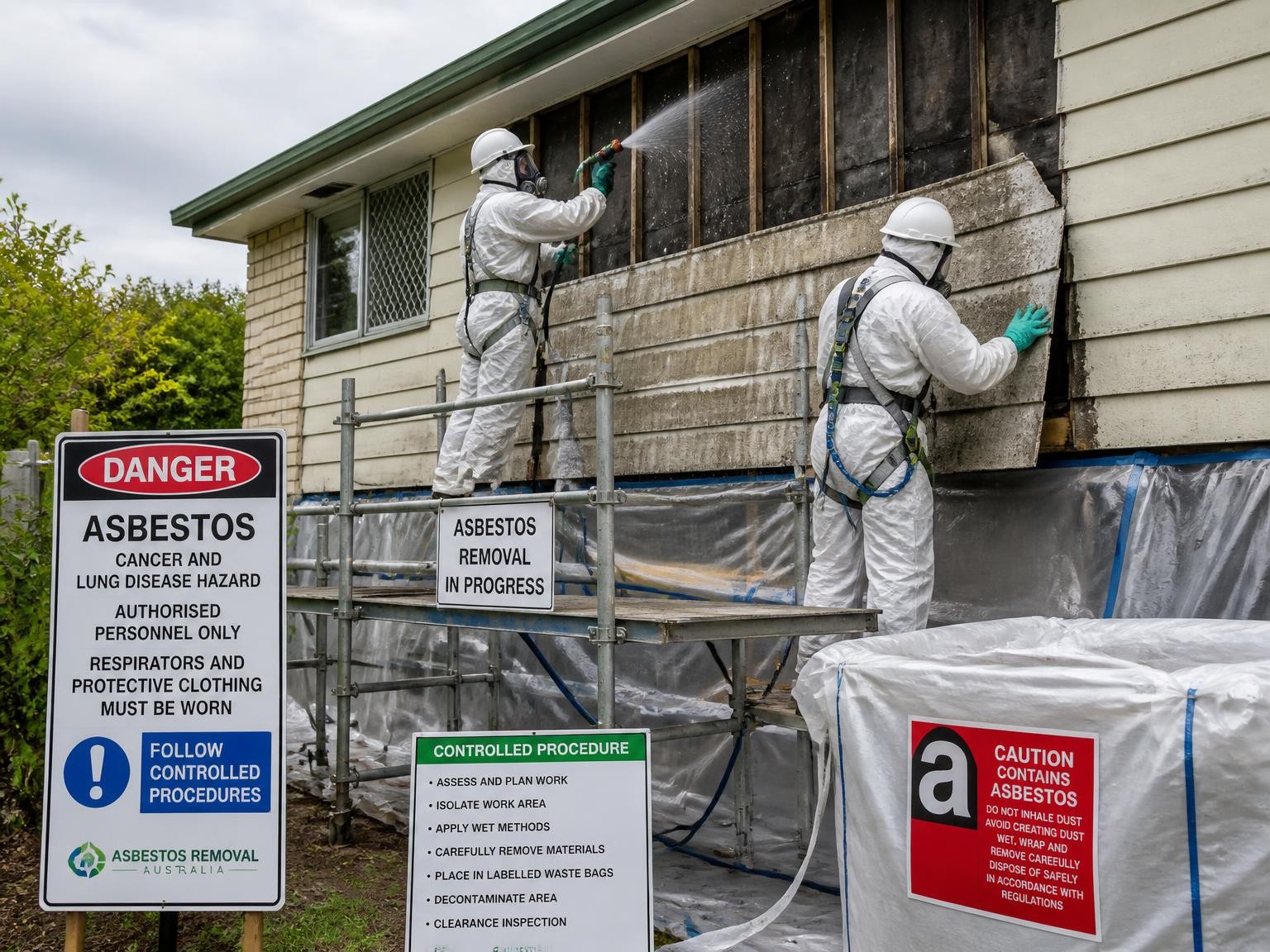
A complete removal service
What your asbestos cladding removal quote may include
C&A Asbestos Removal manages the removal process from initial assessment through to waste disposal. Your quote is based on the actual site requirements rather than an unexplained estimate.
- Site assessment and scope: review of the cladding, building layout, access, condition, and surrounding risks.
- Removal planning: a controlled approach designed for the material, height, location, and occupancy of the site.
- Safe dismantling: appropriate PPE, wet methods, careful handling, and controlled work areas.
- Clean-up and clearance: removal of debris and a thorough site clean appropriate to the work completed.
- Transport and disposal: waste is tracked and transported to an EPA-licensed facility with disposal documentation provided.
Transparent scope of work
Why asbestos cladding removal quotes vary
A low initial price may not include the controls, equipment, transport, disposal, or documentation needed for compliant asbestos work. Ask for an itemised scope so you know exactly what is covered.
Labour and removal time
Panel quantity, fixings, access, height, building occupancy, and the condition of the cladding determine how many workers and hours are needed.
Access equipment
Elevated cladding may need scaffolding, platforms, edge protection, or other equipment. These requirements are assessed before work begins.
Packaging and waste volume
Removed asbestos cladding must be secured and packaged correctly. The volume and weight of the waste affect transport and disposal arrangements.
Monitoring and documentation
Depending on the project, independent hygienist air monitoring, clearance requirements, notifications, and disposal records may be included or coordinated.
From assessment to disposal
The asbestos cladding removal process
A professional removalist should be able to explain every stage of the job. C&A keeps the process clear, controlled, and properly documented.
Initial enquiry and site assessment
Contact the team with details of the property and suspected cladding. Where required, an assessment is arranged to review the material, its condition, quantity, height, access, and surrounding areas.
Scope, risk assessment, and quote
The removal method and controls are planned for the specific site. You receive a clear, no-obligation quote covering the agreed scope and any relevant disposal or access requirements.
Site preparation and containment
The work area is controlled with suitable exclusion zones, signage, PPE, protective measures, and equipment. Occupants, workers, neighbours, and nearby property are considered in the planning.
Controlled cladding removal
Cladding is carefully dismantled using appropriate methods, including wet techniques where suitable, to minimise the risk of fibre release. Panels are handled to avoid unnecessary breakage.
Clean, inspect, and coordinate monitoring
The work area is cleaned using appropriate procedures. Independent hygienist air monitoring or clearance arrangements can be coordinated when required by the project or applicable regulations.
Licensed transport and disposal
Asbestos waste is double-bagged or wrapped, labelled, transported appropriately, and disposed of at an EPA-licensed facility. Disposal documentation is provided for your records.
Safety and compliance first
Removal that follows Australian asbestos safety requirements
Asbestos cladding removal needs more than basic demolition. C&A Asbestos Removal follows Safe Work Australia's Code of Practice for asbestos removal and applies suitable controls to each job. State and territory requirements can differ, so the exact notifications, licences, monitoring, and documentation depend on the location and scope of work.
The team uses appropriate PPE, wet methods, controlled work zones, safe handling procedures, and licensed waste disposal. This helps protect workers, building occupants, visitors, neighbours, and the surrounding property.
What compliance should cover
Appropriately licensed workers
The correct licence and procedures for the type and quantity of asbestos being removed.
Fibre control methods
Wet methods and controlled handling designed to reduce dust and fibre release.
Exclusion and containment zones
The work area is managed to limit access and prevent unnecessary exposure.
Traceable disposal
Waste is transported to an approved facility and disposal records are supplied.
How to get an accurate asbestos cladding removal quote
Providing a few details before the assessment can help the team understand your project and prepare the right questions.
Property type
Tell us whether it is a home, unit, shed, office, warehouse, or strata property.
Approximate size
A rough cladding area, number of walls, or number of panels is helpful.
Material condition
Mention cracks, damage, fire, water exposure, or areas that are already disturbed.
Photos and access
Photos showing height, access, surrounding structures, and the cladding can assist the initial conversation.
Avoid comparing quotes on price alone
When comparing asbestos removal prices, check whether each quote includes site preparation, PPE, containment, access equipment, cleaning, transport, disposal, and documentation. A quote that leaves out these essentials may not represent the complete cost of safe and compliant removal.
Residential and commercial cladding removal
C&A works with homeowners, renovators, investors, property managers, business owners, and strata managers.
Residential properties
Older homes, extensions, garages, carports, and outbuildings may contain asbestos cement cladding or wall sheeting. We plan around household access, neighbours, landscaping, renovation schedules, and the need to leave the property tidy and safe.
If cladding is being removed before painting, renovations, sale, demolition, or redevelopment, arranging professional removal early can help avoid delays and unexpected site risks.
Commercial and strata properties
Offices, warehouses, workshops, retail buildings, and multi-unit properties often require more detailed planning because of occupants, neighbouring tenancies, shared access, and business operating hours.
C&A provides clear scopes and direct communication to help property managers and businesses coordinate removal with minimal disruption and complete disposal records.
Frequently Asked Questions About Asbestos Cladding Removal Cost
What is the average cost of asbestos cladding removal?
There is no reliable single average price for asbestos cladding removal because the scope varies significantly between properties. Cladding area, building height, condition, access, containment, equipment, labour, waste volume, transport, and disposal all affect the quote. C&A Asbestos Removal provides free, no-obligation quotes after reviewing the project requirements.
Is asbestos cladding removal charged by the square metre?
Area can be one part of the calculation, but a square-metre rate alone does not account for height, access, fixings, panel condition, work-zone controls, equipment, transport, or disposal. A proper quote considers the whole job so the price reflects the actual safety and removal requirements.
Does the height of the cladding affect the removal cost?
Yes. Cladding on upper levels may need scaffolding, elevated work platforms, edge protection, additional planning, and larger exclusion zones. Ground-level cladding with straightforward access may require fewer controls. The site assessment confirms what is appropriate.
Does damaged asbestos cladding cost more to remove?
Damaged, cracked, friable, or disturbed cladding can require additional controls and more careful handling than intact bonded panels. The condition may affect preparation, removal time, cleaning, packaging, and monitoring requirements.
What is included in a professional asbestos cladding removal service?
Depending on the agreed scope, the service can include assessment, removal planning, work-zone controls, PPE, wet-method dismantling, packaging, site cleaning, waste transport, licensed disposal, and disposal documentation. Air monitoring by an independent hygienist can also be coordinated where required.
Can I remove asbestos cladding myself to save money?
DIY removal can expose you and others to asbestos fibres and may not comply with applicable state or territory requirements. Do not cut, drill, sand, pressure-wash, or break suspected asbestos cladding. Use a licensed asbestos removal professional who can plan the work, control the area, and dispose of the waste correctly.
How is asbestos cladding disposed of after removal?
Removed material is appropriately wrapped or double-bagged, labelled, and transported in accordance with the required procedures. C&A transports asbestos waste to an EPA-licensed disposal facility and provides disposal documentation after the job.
How quickly can I get an asbestos cladding removal quote?
Call C&A Asbestos Removal directly on 0426 366 938 or 0473 636 666 to discuss your project. The team offers a fast response and can arrange an assessment when required to prepare an accurate, no-obligation quote.
Get a clear asbestos cladding removal cost
Speak directly with C&A Asbestos Removal for a free, no-obligation quote. We will review your cladding, explain the removal process, and provide a clear scope of work.
Direct mobile contact — no call centre. Australia-wide service.
Category: Asbestos Removal