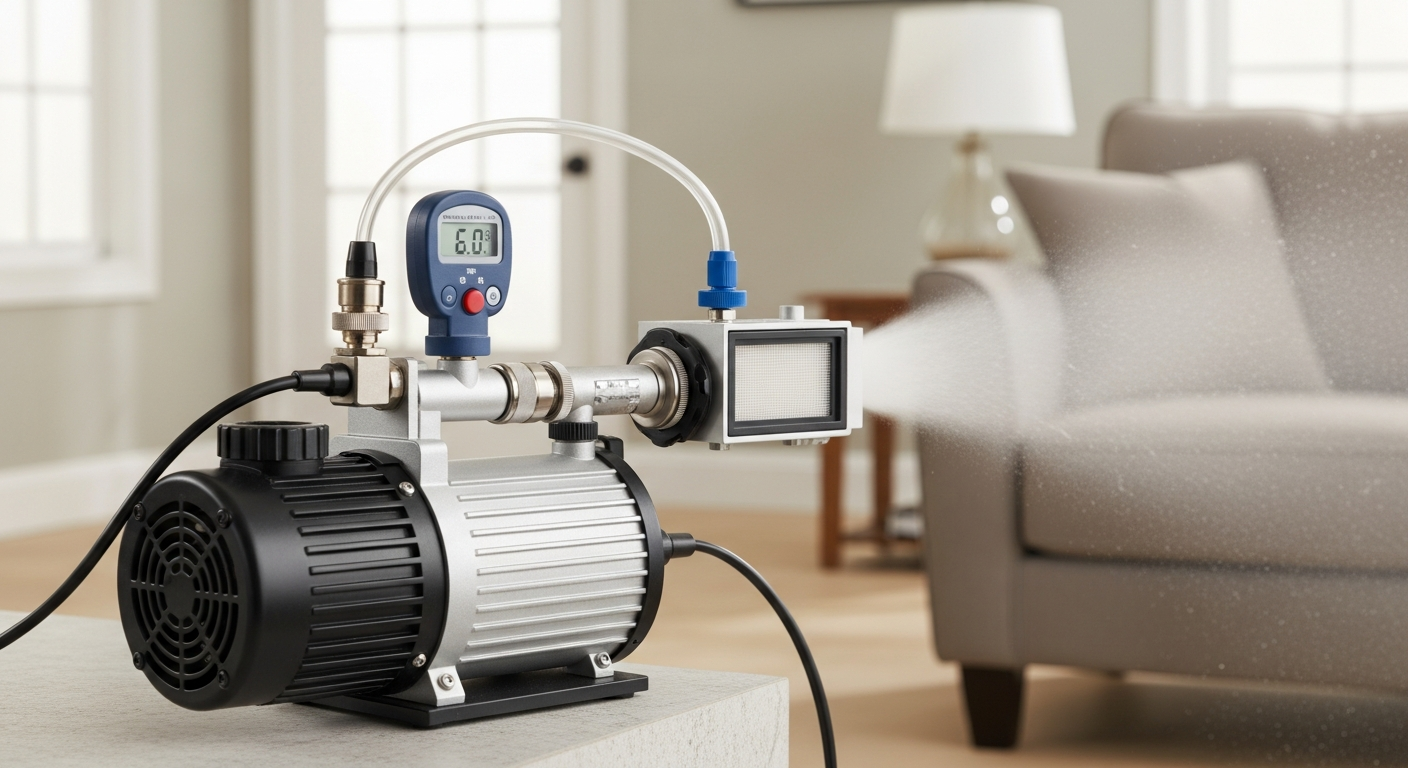
asbestos air monitoring cost
Practical cost guidance and the key factors that determine price — duration, site size, number of samples, and reporting requirements.
We coordinate licensed hygienists and provide full documentation for compliance.
Why asbestos air monitoring is essential
Air monitoring measures airborne asbestos fibres to confirm whether a work area is safe after disturbance or removal. For many projects—especially renovations, demolitions and roof or fence removals—independent air monitoring is required by Safe Work Australia or local regulators to demonstrate a site is clear.
Costs vary because monitoring is not a one-size-fits-all service. The number of samples, sampling rounds (background, during works, final clearance), laboratory analysis and reporting all influence the final price.
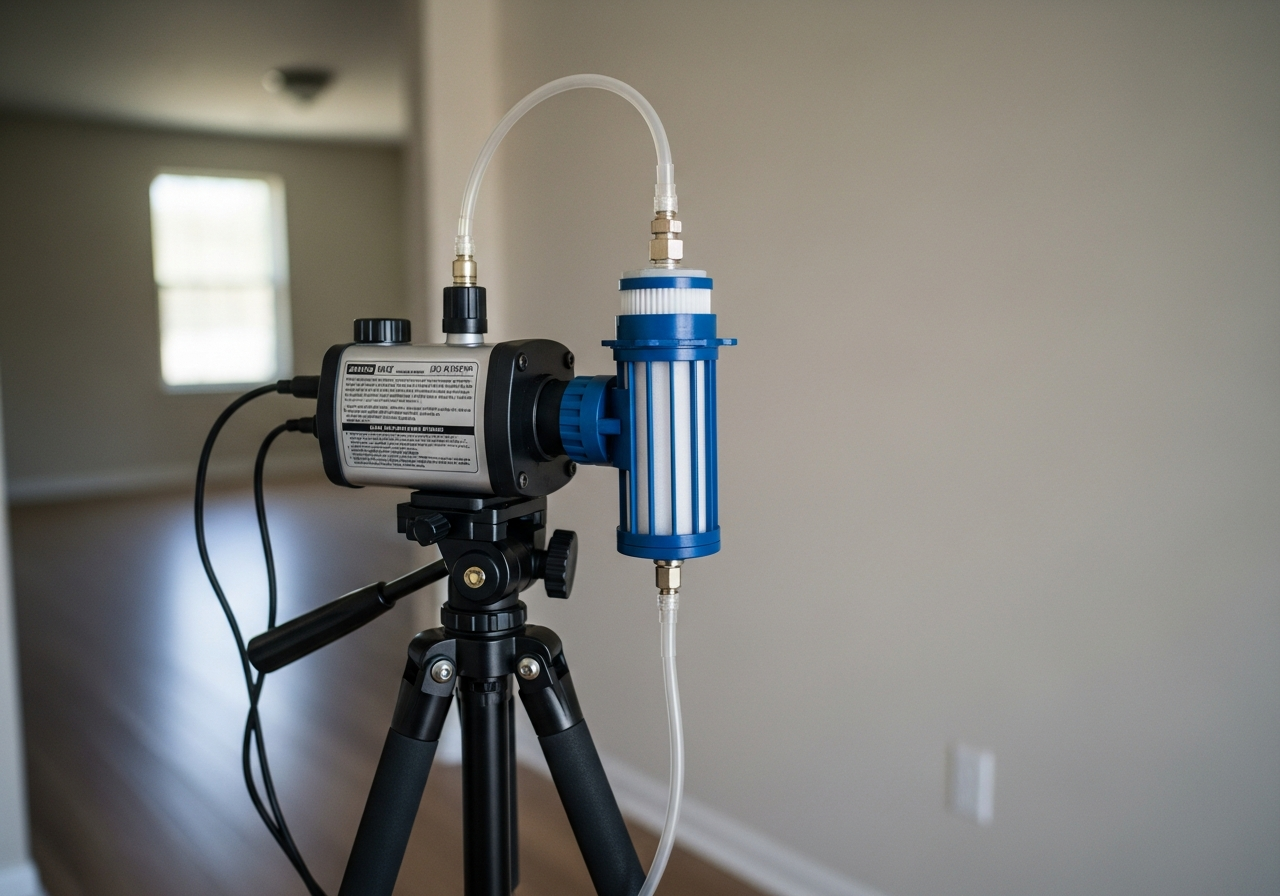
Asbestos air monitoring cost — indicative ranges (2026)
Below are typical price bands to help you budget. Exact costs depend on the factors described further down — contact us for a tailored, no-obligation quote.
Small residential clearance
Final clearance testing after a small removal (single room, bathroom, or short fence job).
Indicative cost: $400 – $900
Small commercial / multiple areas
Larger sites or jobs requiring multiple clearance samples and a written report from an independent hygienist.
Indicative cost: $900 – $2,500
Ongoing project monitoring
Continuous or daily monitoring for active demolition or long-duration projects, priced per day/round plus lab fees.
Indicative cost: $300 – $800 per day + lab fees
Typical lab fees & extra costs
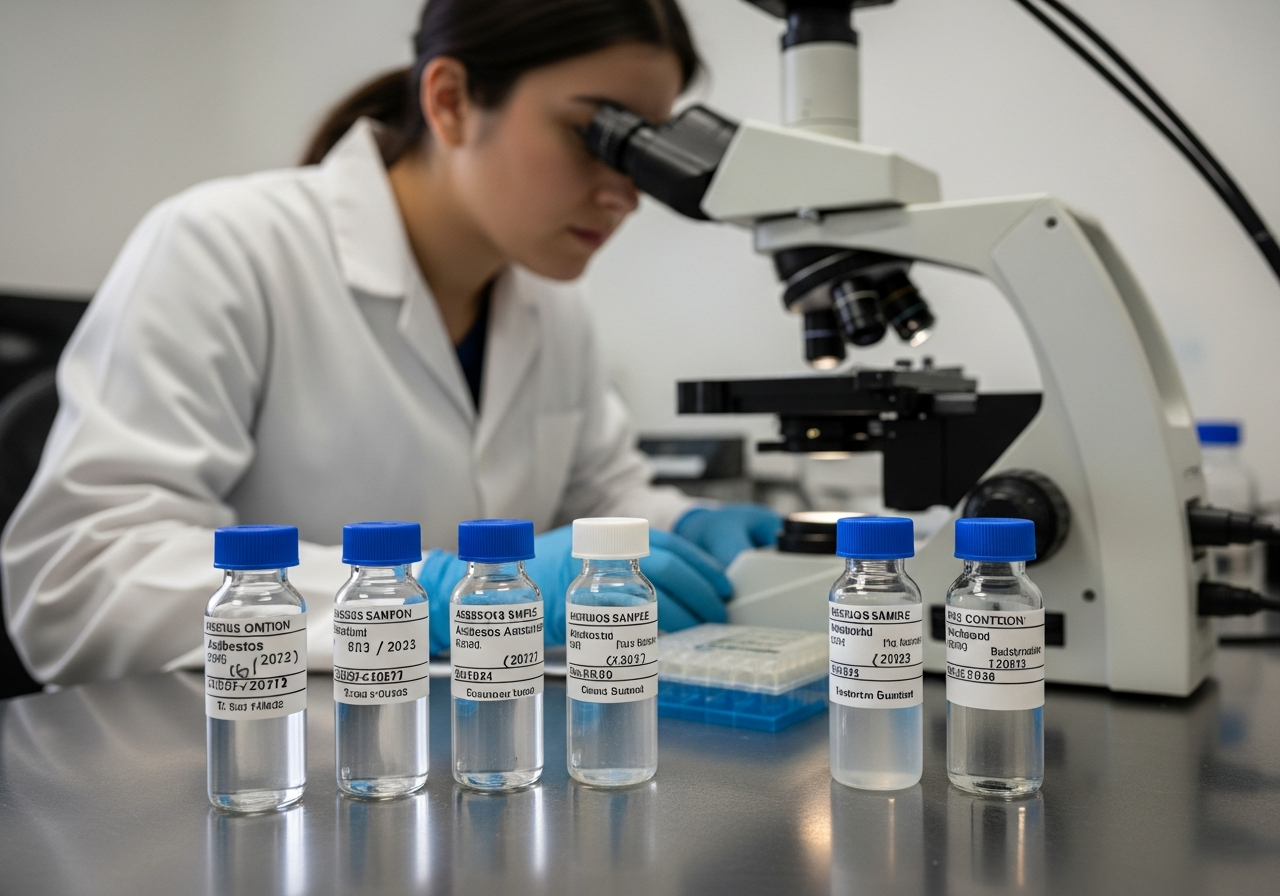
- Laboratory asbestos fibre counting: commonly $50 – $150 per sample depending on turnaround.
- Written report from an independent hygienist: may be bundled or charged separately ($150 – $600).
- Travel and site access surcharges for remote locations or after-hours work.
What determines the final price?
1. Number of samples and sampling rounds
Costs scale with the number of air samples and the number of sampling rounds (e.g., background, during works, and final clearance). A single-room final clearance uses fewer samples than multi-room or multi-level clearances.
2. Site size & complexity
Large sites, high ceilings, confined spaces or multiple buildings increase setup time and the number of required samples, which raises cost.
3. Duration and frequency
Ongoing monitoring (daily or continuous) for long projects incurs per-day fees for equipment, technician time and lab analysis.
4. Type of monitoring
Clearance monitoring (post-removal), area monitoring during works, and personal monitoring for workers have different sampling protocols and costs.
5. Reporting & accreditation
Independent hygienist reports that meet regulatory standards (including chain-of-custody and certified lab analysis) add to the cost but are essential for compliance and record-keeping.
6. Accessibility & travel
Restricted access, working at heights, traffic management or remote locations can increase setup time and travel charges.
How C&A manages asbestos air monitoring
- We arrange licensed occupational hygienists for independent sampling and clearance where required.
- We coordinate chain-of-custody and fast lab turnaround to keep your project timelines on track.
- After testing, you receive a formal written report and disposal documentation if removal was performed.
- Clear communication — call our mobile team; you’ll never be routed through a call centre.
We follow Safe Work Australia guidance and local EPA requirements. If monitoring is required as part of a removal job, we include it in our scope or arrange it independently depending on the situation.
How to prepare for air monitoring
- Ensure the work area is isolated and access is controlled — minimise cross-traffic.
- Complete any required cleaning prior to final clearance sampling (e.g., wet wiping non-porous surfaces).
- Provide safe access and power for monitoring equipment if requested by the hygienist.
- Ask us for a written scope including sample numbers and expected turnaround so there are no surprises.
Quick tip
If you are getting multiple quotes, ask each provider to itemise the cost: technician time, number of samples, lab fees, and the cost of the written report. That makes comparisons meaningful.
Frequently Asked Questions
How much does final clearance air monitoring cost?
A simple residential final clearance typically ranges from $400 to $900 (indicative). The exact price depends on sample count, lab turnaround and whether an independent hygienist’s report is required.
Do I need air monitoring after asbestos removal?
Many removal jobs, especially those that disturb bonded or friable materials, require clearance testing to confirm the area is safe. Check local regulations or ask C&A — we’ll advise and arrange monitoring when it’s needed.
How long does monitoring take and when will I get results?
On-site sampling usually takes 1–3 hours depending on setup and sample quantity. Lab turnaround can be same-week or longer depending on required analysis; expedited testing is often available for an extra fee.
Can I get a fixed quote before work starts?
Yes. We provide free, no-obligation quotes. For accuracy, we may ask for photos, a brief site description or to arrange a site visit so we can estimate sample numbers and logistical needs.
Get an accurate asbestos air monitoring quote
Provide a few details and we’ll arrange a clear, itemised quote — including hygienist sampling, lab fees and reporting. Fast response from our licensed team.
Email: cheataanny@gmail.com — Australia-wide service
Category: Asbestos Testing