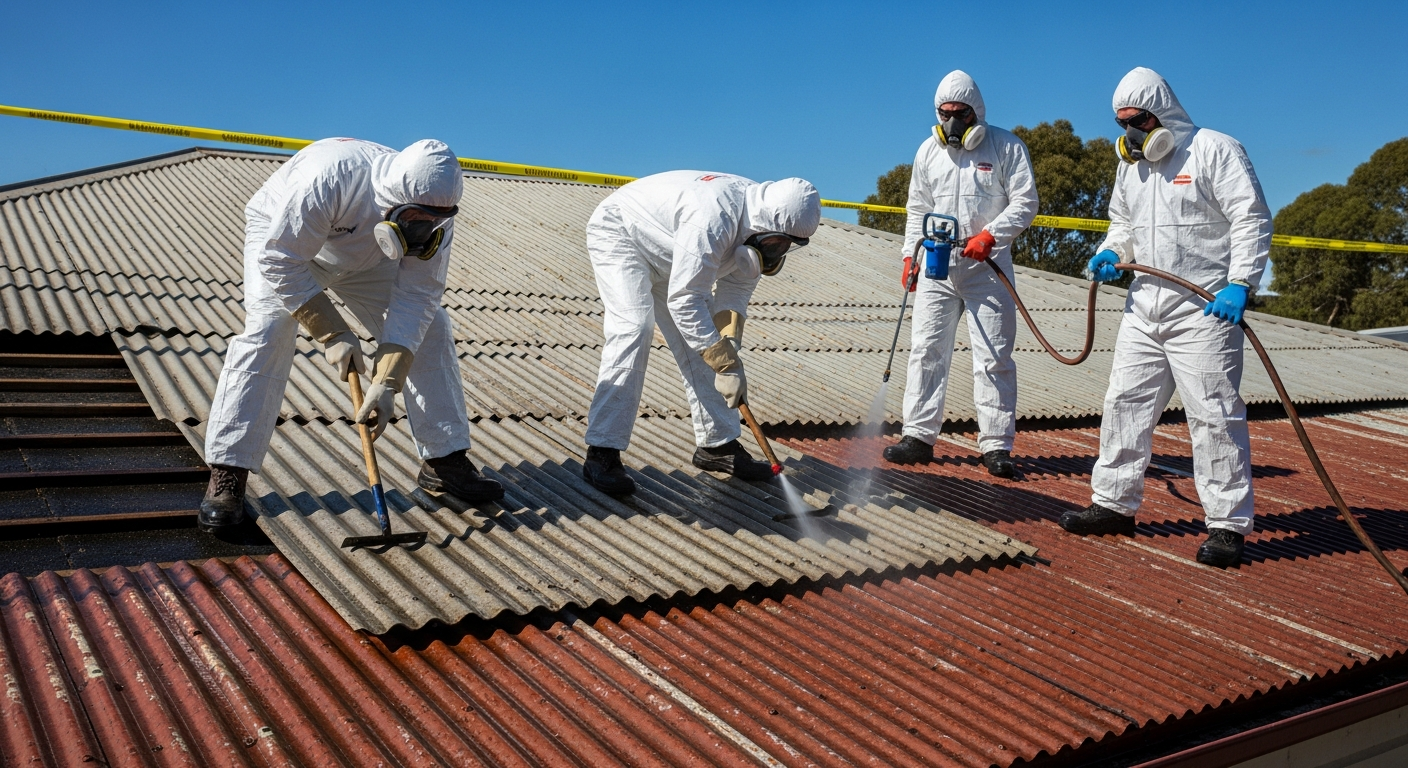
asbestos in roofing materials
Corrugated sheets, eaves, ridge caps and tiles — what to look for and how licensed removal protects your home.
C&A Asbestos Removal provides Australia-wide, licensed roofing asbestos removal using wet methods, containment and EPA‑compliant disposal — fast, professional and documented.
Licensed, compliant removal aligned with Safe Work Australia guidance
Why asbestos in roofing is a serious issue
Asbestos-containing materials were commonly used in Australian roofing products up to the early 1990s. When intact and undisturbed, these materials may pose lower risk — but once cracked, drilled, cut or weathered, asbestos fibres can be released and inhaled, creating long-term health hazards.
C&A Asbestos Removal offers expert roofing asbestos inspection and removal so you can renovate, sell or simply make your property safe with minimal disruption.
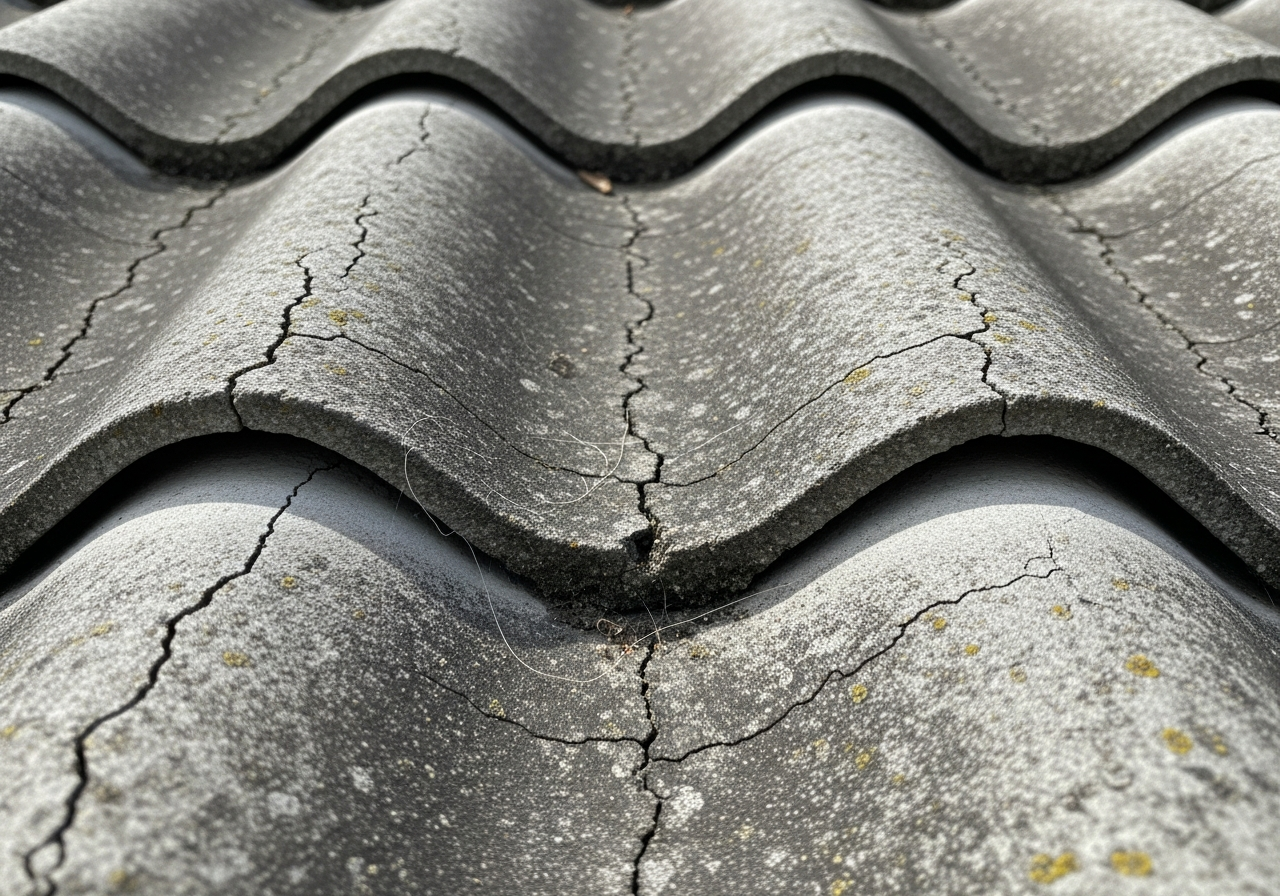
Common roofing materials that may contain asbestos
Knowing the typical products helps you identify risk. If your home or building dates from before the 1990s, treat suspicious roofing materials as potentially asbestos-containing and get a licensed assessment.
Corrugated asbestos cement sheeting
Often used for main roofs, lean-tos and outbuildings. Corrugated profiles were made from fibrous cement that commonly contains asbestos fibres. Damaged or drilled sheets are a high-risk source of airborne fibres.
Eaves and soffit linings
Flat or profiled eaves sheets and soffit boards were often manufactured from asbestos cement. These are commonly disturbed during roof works, guttering or electrical installations.
Ridge caps & flashing
Ridge capping, gutters or flashing made from fibrous cement can contain asbestos — especially in older installations where modifications or repairs have been undertaken.
Roof tiles & underlay
Some cement roof tiles and supporting underlay used historically can contain asbestos. Tiles that are brittle, nailed, or cut during repairs pose a fibre-release risk.
How C&A removes asbestos from roofs — safe, compliant, and documented
Wet methods to suppress fibres
We use controlled wetting to reduce airborne fibre release during removal — a standard measure in Safe Work Australia’s Code of Practice. Wetting is applied continuously to the removal area so fibres remain suppressed while panels are handled.
Containment and safe access
Where required, we establish containment zones, use drop-sheets and negative-pressure enclosures for elevated works, and ensure safe access for our technicians. Our teams wear appropriate PPE, including respiratory protection and disposable overalls.
Double-bagging and licensed disposal
Removed materials are double-bagged, labelled and transported to EPA-licensed facilities. We provide full disposal documentation and waste receipts for your records.
Why this matters: Wet methods + containment + licensed disposal reduce health risk, protect neighbours and ensure you meet legal obligations when renovating or selling.
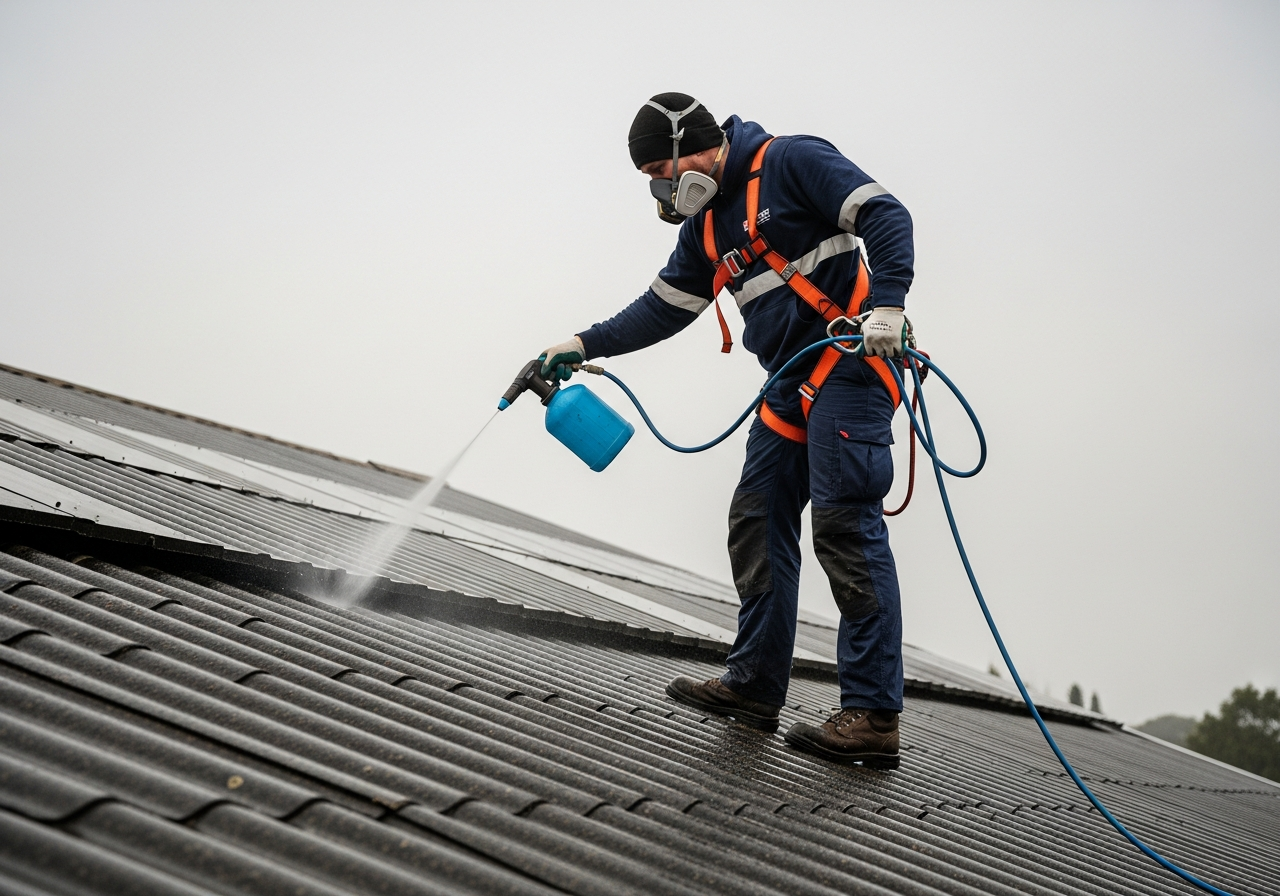
Our roofing asbestos removal process — step by step
Free quote & initial assessment
Tell us what you have by phone or email. We’ll give an initial estimate and arrange a site visit where needed.
Risk assessment & plan
We prepare a tailored removal plan, identifying containment needs, access and disposal logistics to minimise disruption and keep everyone safe.
Safe removal using wet methods
Our licenced technicians remove roofing materials using continuous wetting, careful handling and safe transport procedures to prevent fibre release.
Disposal & documentation
We transport waste to EPA-licensed facilities and supply you with full disposal receipts and paperwork — proof the job was done correctly.
A quick checklist for homeowners
- Check property age — roofs from before the early 1990s are more likely to contain asbestos.
- Avoid DIY removal — incorrect handling can spread fibres and create greater risk.
- Call C&A for a free quote and professional assessment before carrying out any roof work.
Frequently Asked Questions
How do I know if my roof contains asbestos?
If your roof or eaves date from before the early 1990s, it may contain asbestos. Visual checks can be inconclusive — the safest approach is to arrange a licensed inspection or testing before disturbing any material.
Can roofing asbestos be removed while I live in the home?
Yes — licensed removal can be carried out with appropriate containment and safety controls to minimise disruption. We plan works to reduce impact on occupants and neighbours while maintaining strict safety measures.
What exactly are wet methods and why are they used?
Wet methods involve continuously wetting asbestos-containing materials during handling and removal to suppress airborne fibres. This is a recognised control method recommended by Safe Work Australia for many removal tasks.
Will I get paperwork after the job?
Yes. We provide disposal receipts and documentation showing waste took place at an EPA‑licensed facility. We also keep records of the removal plan and control measures used on site.
Ready to make your roof safe?
C&A Asbestos Removal offers free quotes, licensed removal using wet methods and secure disposal across Australia. Speak directly with our team — no call centres.