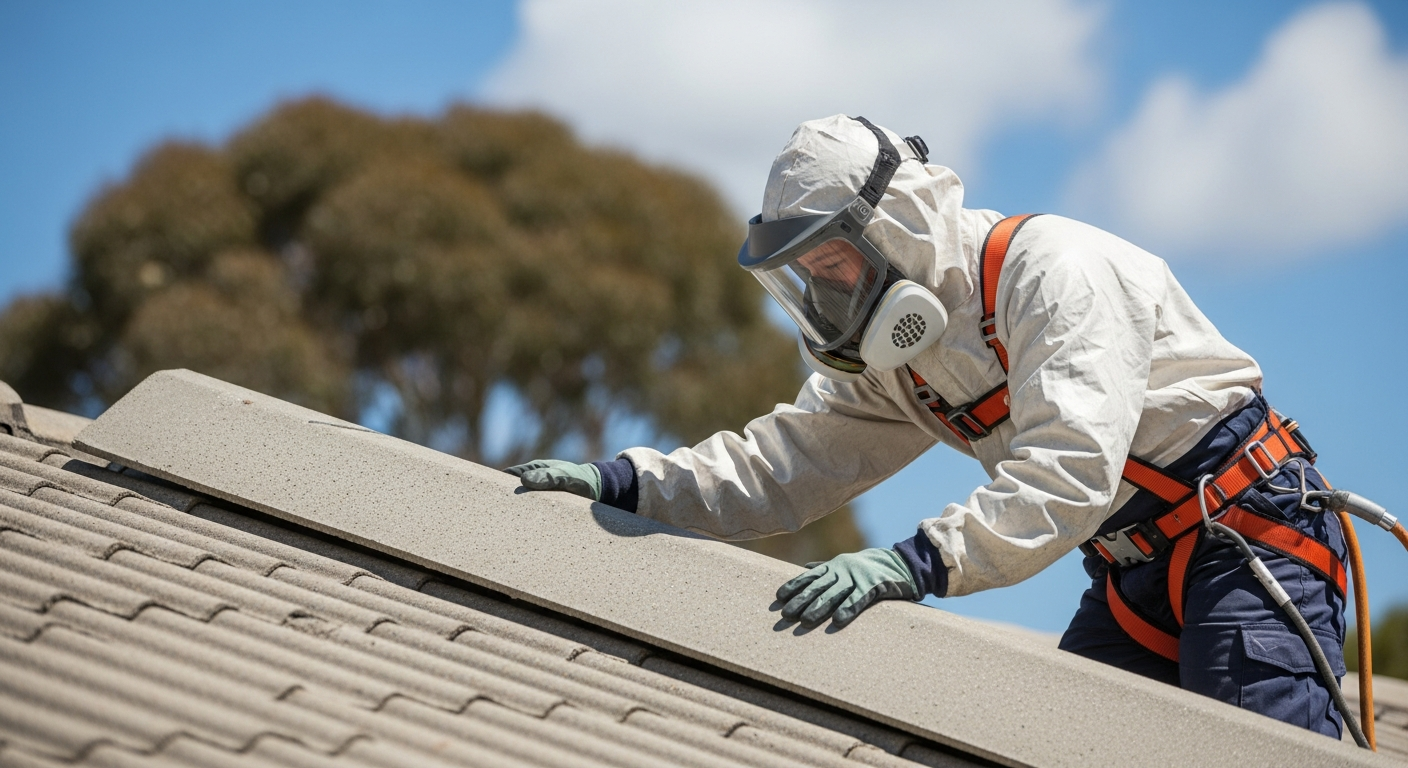
sheeting over asbestos
Professional guidance on when encapsulation (sheeting over) is appropriate — and when licensed removal is the safer option.
C&A Asbestos Removal provides licensed assessments, compliant encapsulation solutions, or full removal and disposal depending on condition, risk and regulatory requirements. We operate Australia-wide and provide clear, documented outcomes.
Licensed work, documented disposal, and clear communication.
When is sheeting over asbestos acceptable?
Encapsulation — sometimes described as sheeting over or sealing asbestos-containing materials (ACMs) — can be a viable interim control in limited situations. However, it is not a one-size-fits-all solution. The decision must be based on a professional risk assessment and local regulatory guidance.
Encapsulation is usually acceptable when:
- The asbestos sheeting is in good condition (no crumbling, deep cracks, or obvious fibre release).
- The material will remain undisturbed for the foreseeable future (no planned renovations or roof works).
- The encapsulation method will create a durable, fixable barrier that prevents fibre release (e.g., bonding sealants, safe overlay with compatible sheeting).
- There is good access and the encapsulation can be completed without breaking or drilling the asbestos surface.
- The control measure meets the requirements of Safe Work Australia's Code of Practice and any state EPA guidance.
Encapsulation is NOT appropriate when:
- The asbestos is damaged, friable, or actively releasing fibres.
- The material is likely to be disturbed by future works (renovation, reroofing, demolition).
- There are ongoing leaks, structural issues, or environmental exposure that will degrade the encapsulant.
- Local regulations or licensing requirements mandate removal for the specific material or setting.
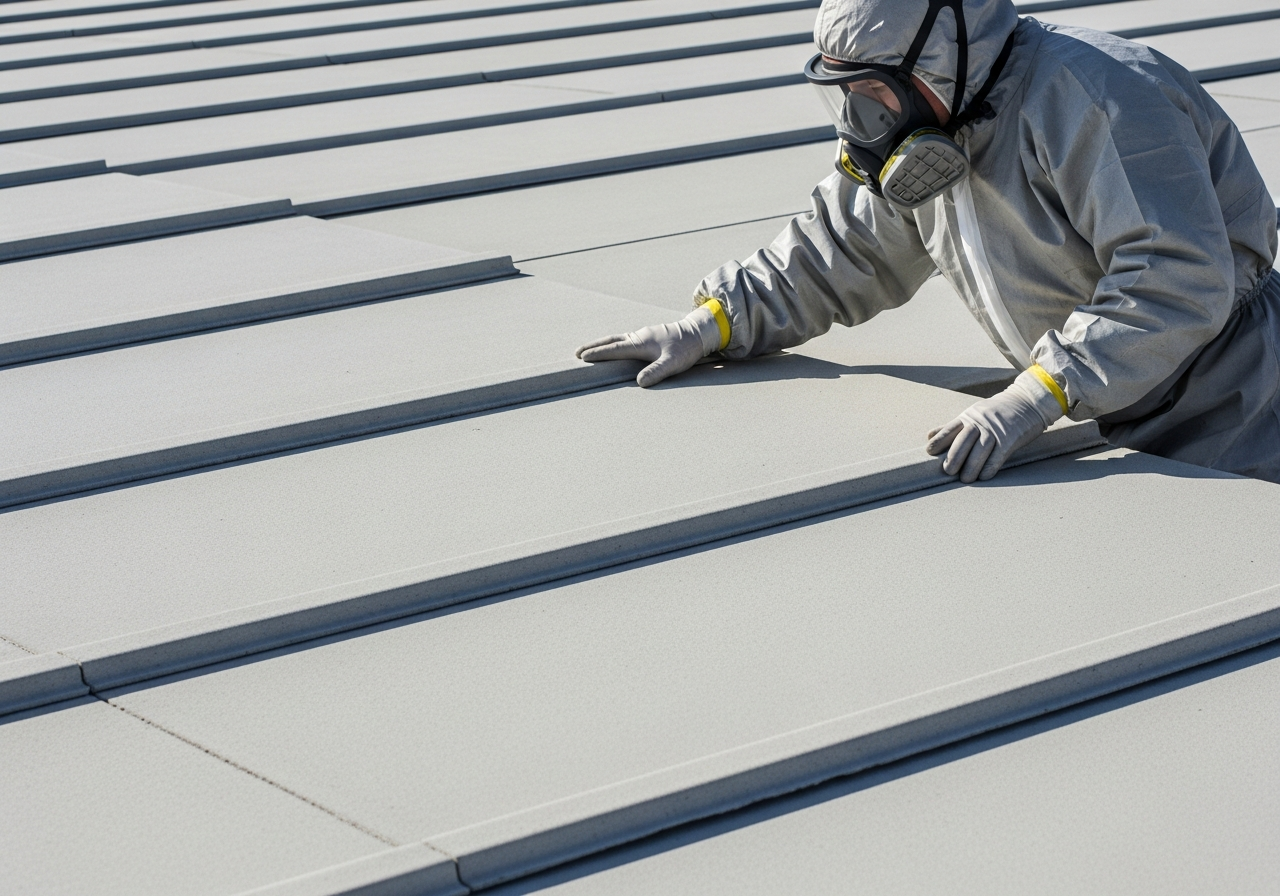
How we decide — assessment, recommendation, and scope
C&A follows a consistent assessment process so you get a defensible recommendation — whether that's encapsulation as a safe interim measure or full licensed removal.
1. Visual & physical assessment
We inspect the material condition, access, surrounding environment, and history of maintenance. Photos and notes form part of the documented assessment.
2. Risk-based recommendation
Our team provides a clear recommendation: encapsulate and monitor, encapsulate as interim pending planned works, or schedule licensed removal. All options reference Safe Work Australia guidance.
3. Encapsulation scope & materials
If encapsulation is chosen, we specify the encapsulant type, surface preparation, and any overlay sheeting required. Our methods prioritise durability and non-invasive application to avoid fibre disturbance.
4. Documentation & monitoring
You receive a written scope, risk controls, and post-work notes. For higher risk scenarios, we arrange periodic inspections or coordinate independent air monitoring.
Safe handling, removal and disposal options
Encapsulation/Sheathing
Non-invasive sealing or overlay sheeting applied to intact ACMs to prevent fibre release. Suitable only after a professional assessment and with documented maintenance plans.
Licensed Removal
For damaged, friable, or high-risk ACMs we perform licensed removal using containment, PPE, wet methods, and EPA-approved transport to licensed facilities.
Transport & Disposal
All removed material is double-bagged/contained, tracked and delivered to EPA-licensed disposal sites. You receive full disposal documentation for records and compliance.
C&A follows Safe Work Australia’s Code of Practice and state-based legislation. Our team uses PPE, wetting to suppress fibres, containment where required, and experienced handling to reduce risk for occupants and neighbouring properties.
We can also coordinate independent air monitoring or hygienist verification for high-risk jobs or where clients require additional assurance.
Encapsulation vs Removal — real-world example
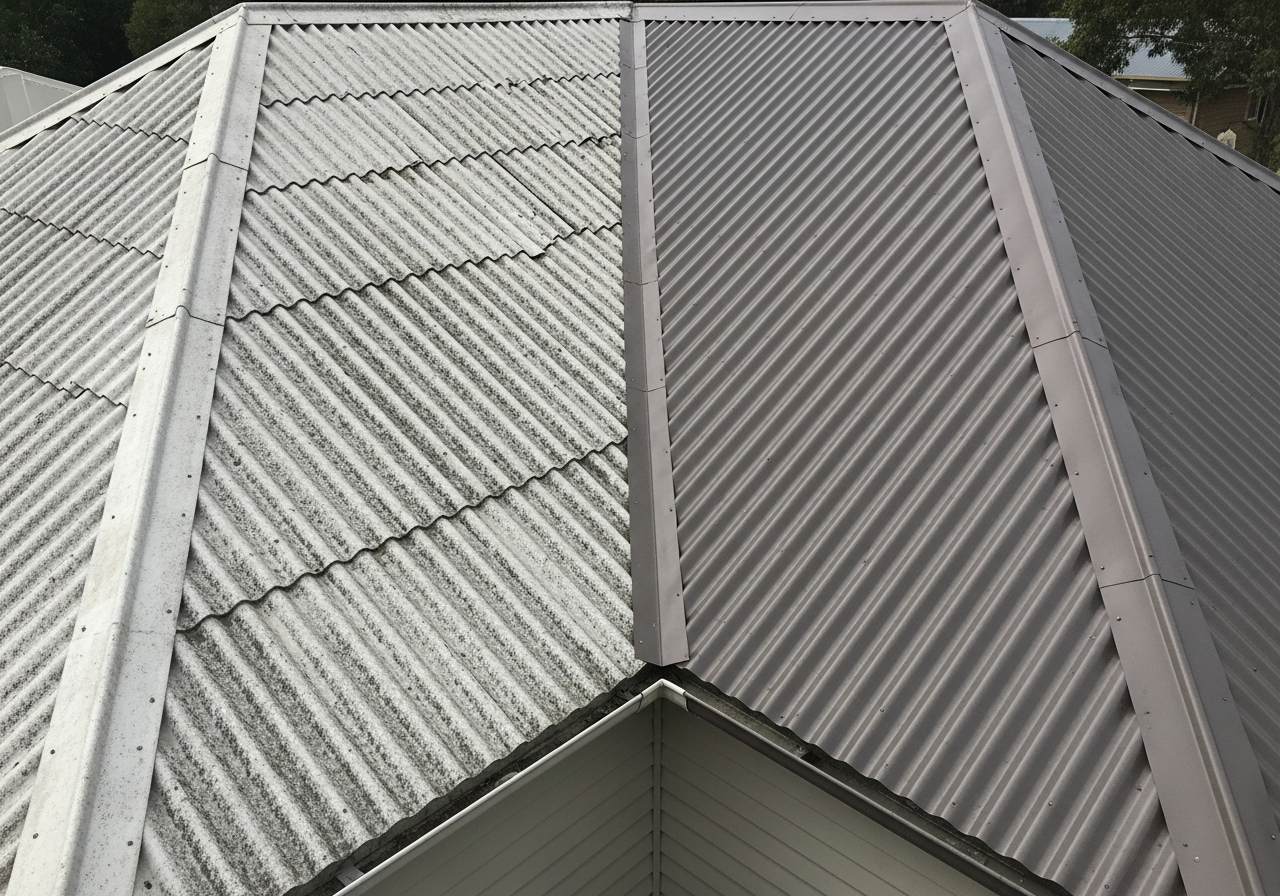
In one typical scenario we inspected intact roofing sheets with minor surface weathering. After assessment we recommended a high-bond encapsulant and overlay sheeting as a safe interim control. Where panels were cracked or friable we removed them and disposed of them to an EPA-licensed facility.
Every job includes clear documentation so property owners and managers can demonstrate compliance during sales, renovations, or strata reporting.
Frequently Asked Questions
Is it legal to sheet over asbestos in Australia?
Legality depends on state/territory regulations and the condition of the ACM. Many jurisdictions allow encapsulation for intact, low-risk materials with proper controls and documentation, but high-risk or damaged materials usually require licensed removal. C&A will advise based on state codes of practice and Safe Work Australia guidance.
How long does encapsulation last?
Durability depends on the product used, environmental exposure, and maintenance. A high-quality encapsulant or overlay applied correctly can last many years, but periodic inspections are recommended to ensure continued integrity.
Can encapsulation be done without disturbing the asbestos?
Yes — when performed by experienced technicians, encapsulation can be applied with minimal disturbance. Work is done with suitable PPE, wetting where appropriate, and using techniques designed to avoid breaking or sanding the ACM.
If I encapsulate now, can the asbestos be removed later?
Yes. Encapsulation can be an interim control before planned removal. Any future removal will require careful planning and licensed removal practices to ensure the encapsulant and underlying material are handled safely.
Need help deciding whether to sheet over asbestos?
Call C&A for a professional assessment. We’ll explain your options clearly — encapsulation, maintenance, or licensed removal — and provide a free, no-obligation quote with documented recommendations.
Alternatively email us at cheataanny@gmail.com
Category: Asbestos Removal