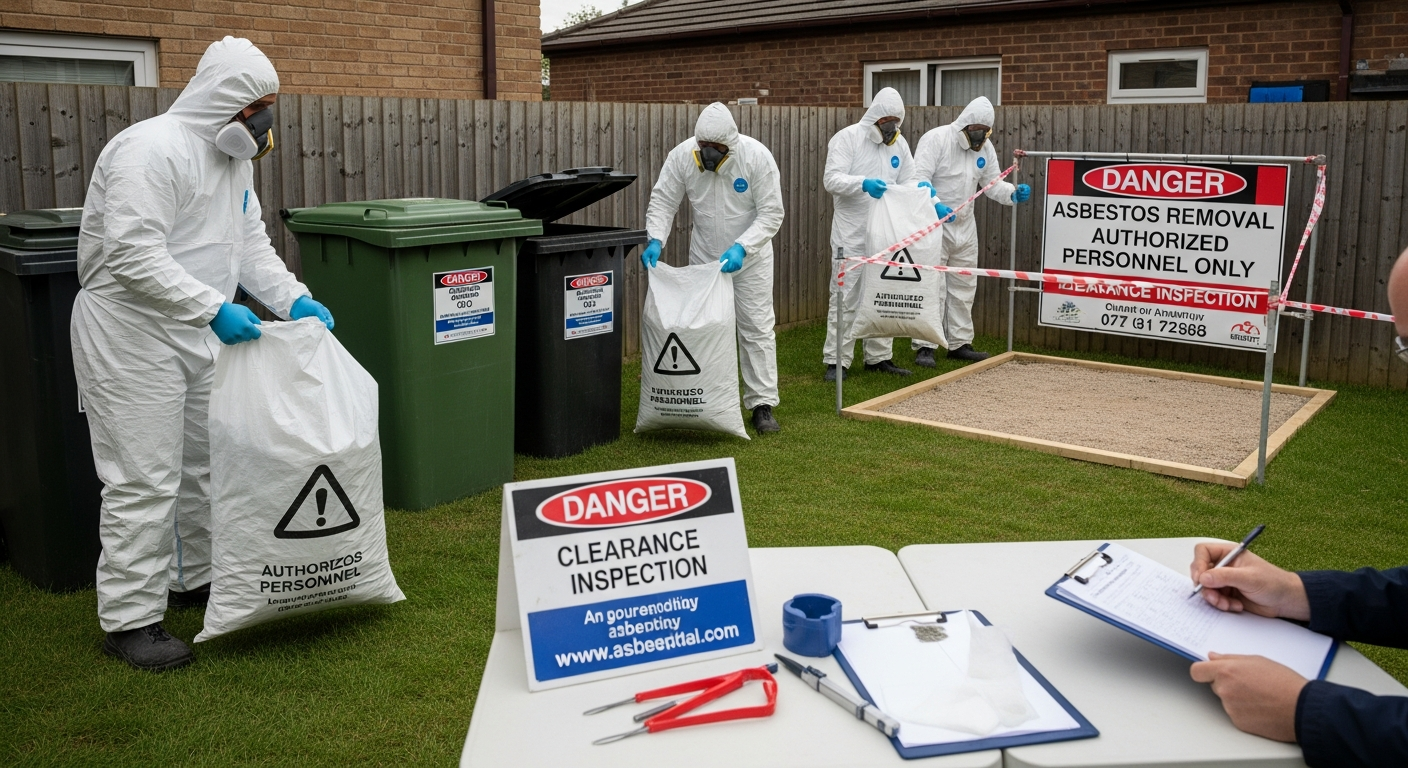
after asbestos removal
Step-by-step guidance on what happens after asbestos removal — clearance inspections, site clean-up, air monitoring and certification so your property is safe and compliant.
Licensed removal, documented disposal and post-removal certification — Australia-wide.
Why the work continues after the last sheet is removed
Removing asbestos materials is a crucial step, but it isn’t the finish line. Post-removal procedures — clearance inspections, targeted cleaning and independent air-monitoring when required — confirm the site is safe for reoccupation and provide the legal documentation you need.
C&A Asbestos Removal follows Safe Work Australia guidance and coordinates any required hygienist testing, licensed transport and EPA-compliant disposal paperwork so you get a clean, certified outcome.
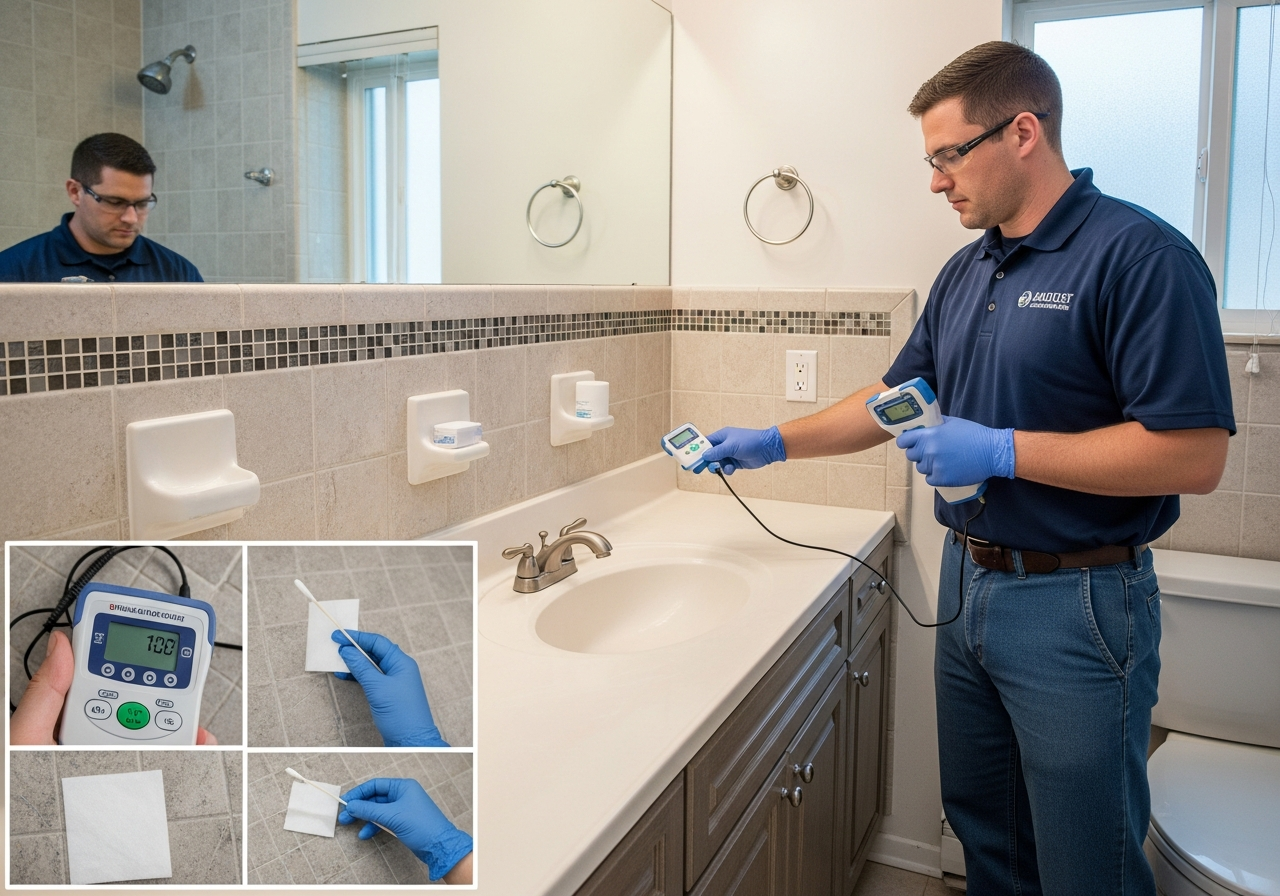
Post-removal steps you should expect
Below are the common, best-practice steps C&A coordinates after asbestos removal to ensure safety, compliance and peace of mind.
Visual clearance inspection
A qualified inspector checks that all visible asbestos residue and dust have been removed and that areas match the agreed scope of work.
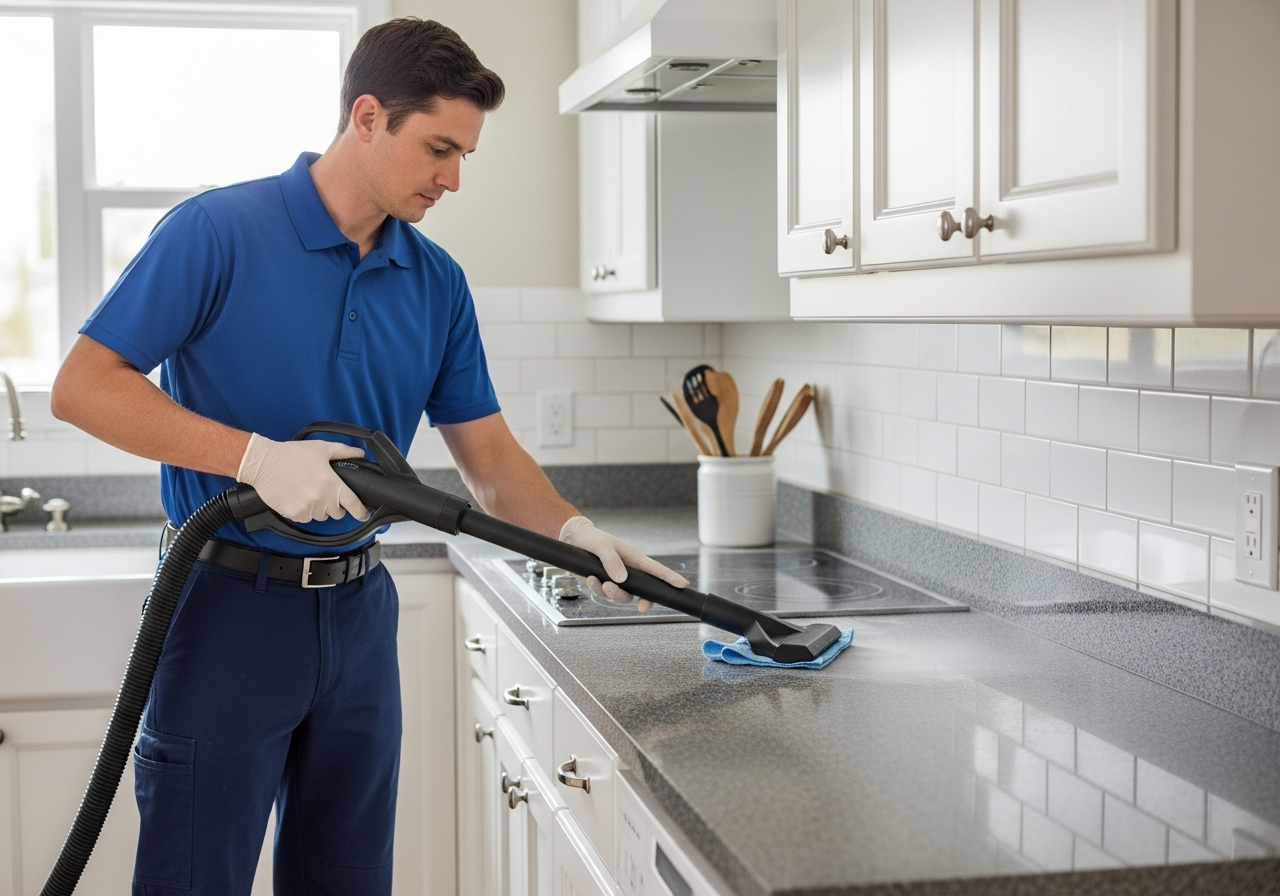
Targeted site cleaning
HEPA vacuuming, wet-wiping of surfaces and controlled removal of any residual dust. We ensure high-touch areas and ventilation paths are cleaned to minimise re-suspension risk.
Documentation & certification
You receive disposal dockets and a removal report. If an independent clearance is required, we coordinate an accredited hygienist to issue a clearance certificate.
Clearance inspections: what they are and when they're needed
A clearance inspection confirms that removal work has been completed to an acceptable standard. There are two common types:
- Visual clearance — carried out by the removal team or a competent inspector to confirm no visible asbestos debris remains.
- Hygienist clearance (air monitoring) — performed by an independent occupational hygienist using air sampling equipment. This is usually required for friable asbestos removals, complex jobs, or where regulatory thresholds apply.
If an independent hygienist issues a clearance certificate it provides strong assurance for insurers, buyers and regulators that re-occupation is safe.
How we clean after removal
Our cleaning process focuses on preventing fibre re-suspension and removing contamination from surfaces and HVAC paths:
- Pre-cleaning containment and HEPA-filtered vacuuming
- Wet-wiping of walls, windowsills, fixtures and any disturbed surfaces
- Safe removal and double-bagging of waste for licensed transport
- Final visual inspection and handover documentation
Disposal, dockets and your records
All asbestos waste must be transported to EPA-licensed facilities and documented. C&A provides:
- Licensed transport to an approved asbestos disposal facility
- EPA-compliant waste dockets and chain-of-custody documentation
- A removal report summarising scope, methods, and final status
Keep these records for sale, insurance or regulatory enquiries — we supply them at job completion.
Typical timeline and what you should plan for
- Day 0–1: Removal works completed and waste double-bagged and removed.
- Day 1: Team completes targeted cleaning and visual inspection.
- Day 2–3: If required, an independent hygienist performs air sampling and issues a clearance certificate (timing depends on lab turnaround and scheduling).
- Final handover: You receive disposal dockets, removal report and any clearance certificates.
Timing varies with job size and whether independent testing is requested. C&A will outline expected timing in your quote.
How to prepare your property for a clearance inspection
- Ensure the removal team has completed all agreed works and left access clear.
- Don't attempt additional cleaning or repaints before clearance unless advised.
- Turn off HVAC where instructed to prevent disturbance during sampling.
- Have keys or access available for any areas requiring inspection.
Your C&A project manager will tell you exactly what needs to be left for an accurate inspection.
Frequently Asked Questions
What is a clearance certificate and who issues it?
A clearance certificate is issued by an accredited occupational hygienist after inspections and/or air monitoring confirm the area meets acceptable asbestos fibre levels. It validates the site is safe for re-occupation.
Do I always need an independent hygienist?
Not always. Visual clearance may be sufficient for small, non-friable removals. An independent hygienist is normally required for friable asbestos, complex removals, or where regulations or insurers request formal air monitoring and a certificate.
What documentation will I receive after completion?
You receive waste disposal dockets, a removal report detailing methods used, and any independent clearance certificate or air-monitoring results if performed. Keep these for records, sale or insurance purposes.
How long after removal can I move back in?
If a hygienist clearance is required, wait until the clearance certificate is issued. For small non-friable jobs with a visual clearance, re-occupation may be immediate after final handover and documentation — we'll advise based on the job specifics.
Need post-removal clearance or advice?
We coordinate inspections, hygienist testing and EPA-compliant disposal Australia-wide. Clear, documented outcomes — no call centres, direct contact with our team.
Email: cheataanny@gmail.com — Servicing residential and commercial properties across Australia.
Category: Asbestos Removal